English
 中文
中文 Pусский
 Español
 Français
 عربي
عربي
What Are the Key Features to Look for in a Full Automatic Screen Printing Machine?
When investing in production equipment, verifiable specifications and reliable engineering matter far more than glossy brochures. Yet many buyers focus on quoted cycle speeds while overlooking the details that determine real-world performance—registration stability across shifts, substrate changeover efficiency, and the engineering integrity of load-bearing structures. This guide examines four feature categories that deserve scrutiny when evaluating automated screen printing systems, drawing on verifiable industry benchmarks and published product specifications.
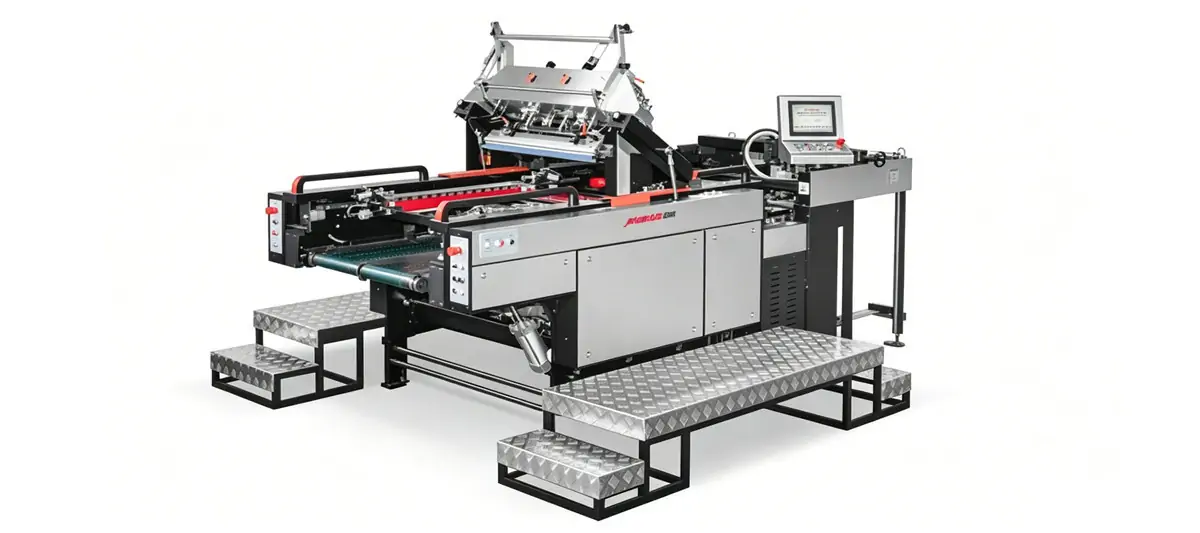
1. Registration Accuracy and Mechanical Stability
Registration precision is among the most cited specifications in screen printing equipment. Industry benchmarks indicate that systems utilising servo motor drives with linear guide rails can achieve positioning accuracy in the ±0.02 mm range. This level of precision has been demonstrated in rotary screen printing applications, where servo-based automation solutions maintain accuracy at line speeds of up to 180 meters per minute. CCD camera-based vision alignment systems can further enhance repeatability, with some configurations offering alignment accuracy of 0.02 mm and a repeat positioning precision of ±0.02 mm.
Several manufacturers publicly disclose their accuracy specifications. For example, certain automatic screen printing machines on the market list printing accuracy at ±0.02 mm under specified conditions. A separate product listing notes that vacuum cylinder systems can achieve ±0.01 mm accuracy across the cylinder surface. When evaluating equipment, request documented test data rather than relying solely on catalogue figures. Practical verification—running a batch of sheets with registration fiducials and measuring drift across the full run—reveals how accuracy holds up under production conditions.
Beyond quoted numbers, mechanical rigidity plays a decisive role. Equipment employing four-column precision linear guide designs can deliver enhanced repeatability and stability over extended duty cycles. Machines that integrate servo motor drives with ball screws and linear slides further reduce low-speed movement jitter, contributing to consistent print quality. If you are comparing drive and control architectures that influence long-term registration stability, examining precision-focused screen printing drive configurations can provide useful reference points.
2. Substrate Handling and Material Flexibility
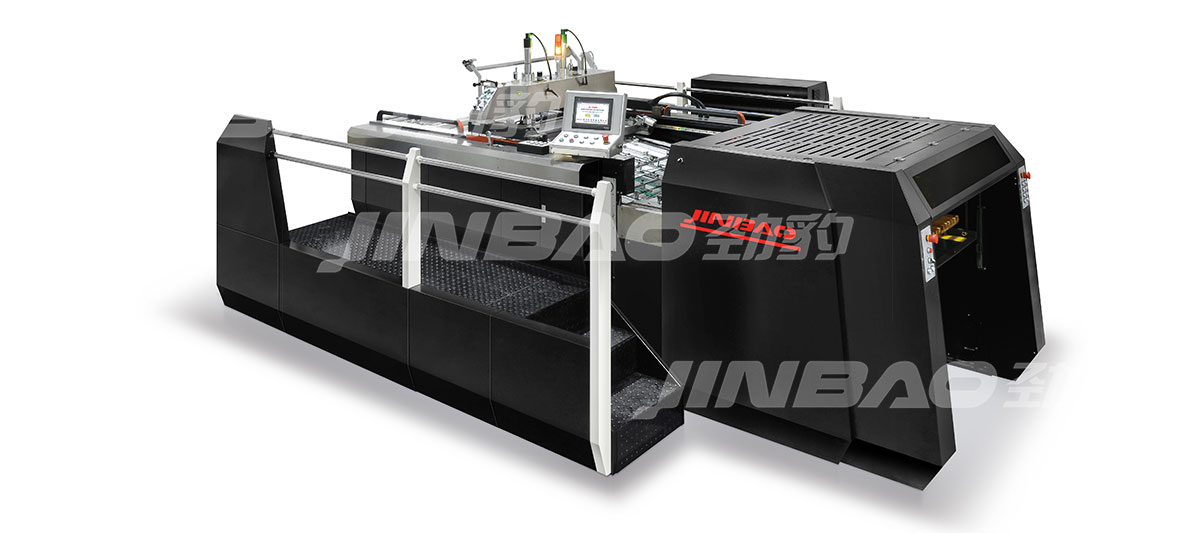
Production environments often require a single machine to handle diverse materials. Automatic stop cylinder screen presses, for example, are suitable for ceramic and glass appliqué, electronic industry applications including film switches and flexible circuitry, packaging, and textile transfer printing. This range reflects the importance of evaluating material handling subsystems—vacuum table segmentation, sheet thickness compensation, and anti-static provisions—alongside the printing mechanism itself.
Key practical indicators to assess include: the time required to switch between materials of significantly different thickness and rigidity; whether off-contact height resets automatically based on stored material recipes; and the availability of photoelectric detection systems that monitor substrate positioning and help reduce waste rates. Machines equipped with pneumatic side gauge systems using vacuum-based pull gauge technology can achieve accurate positioning while minimising surface marking on sensitive substrates.
When production involves frequent material changes, modular configurations that simplify changeover become particularly valuable. Exploring material-flexible screen printing station configurations can help clarify whether a given architecture supports your actual production mix without excessive downtime.
3. Automation and Control Capabilities
Modern automatic screen printing equipment increasingly incorporates advanced control systems that go beyond basic motorised operation. Many manufacturers utilise Mitsubishi PLC centralised control combined with human-machine interface (HMI) touchscreen operation, enabling digital setting and storage of multiple functional parameters. This approach supports standardised operation and recipe-based job recall, which reduces setup variability between operators.
Servo-driven systems represent a further step in automation. Some machines adopt shaftless designs where multiple servo motors follow a virtual electronic, eliminating traditional transmission shafts and gearboxes. This reduces mechanical components, simplifies the drive structure, and lowers operational noise. Such architectures also enable independent digital control of squeegee pressure, stroke endpoints, and speed profiles, contributing to process consistency.
For quality assurance, photoelectric detection and fibre optic sensor systems provide real-time monitoring of substrate arrival and positioning, triggering alarms for misfeeds or misalignment. These features help contain defects before they propagate through a production batch. If your operation would benefit from deeper automation integration, smart control solutions for automated screen printing lines offer a closer look at current capabilities.
4. Supplier Qualifications and Support Infrastructure
Equipment purchasing decisions extend beyond technical specifications to supplier reliability. Verifiable credentials provide a useful baseline for evaluation. Zhejiang Jinbao Machinery Co., Ltd., founded in 1997 (originally as Rui‘an Jinbao Screen Printing Machinery Co., Ltd.), specialises in manufacturing various types of flat screen printing machinery and auxiliary equipment. The company has passed ISO9001:2008 quality management system certification, and its main products have obtained CE certification. The company serves as a vice-chairman unit of the China Screen Printing Industry Association and the Wenzhou Printing Association, and has participated in revising the industry standard for automatic flat screen printing machines.
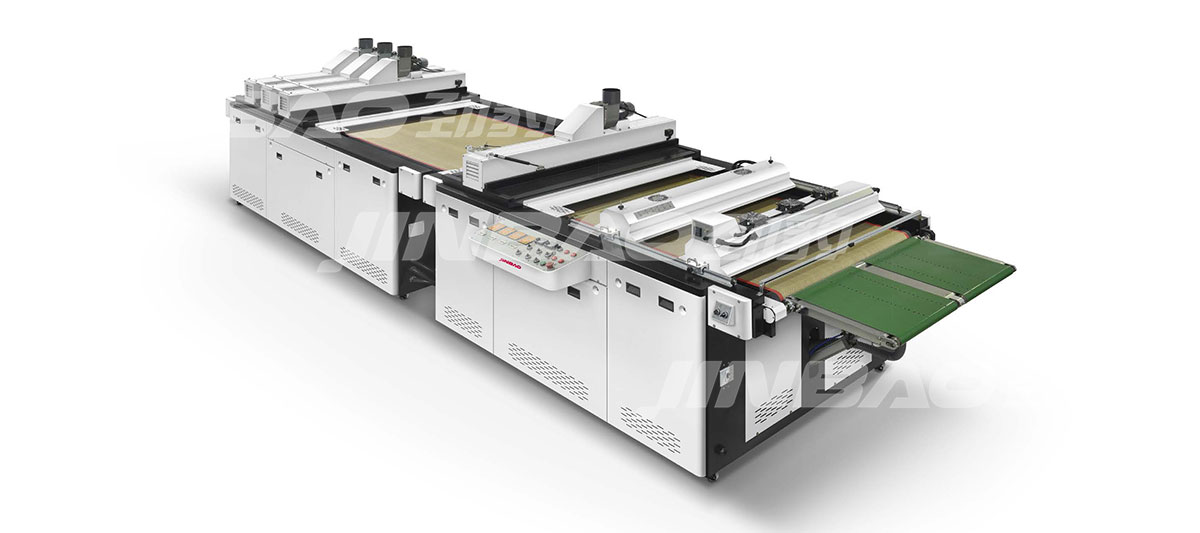
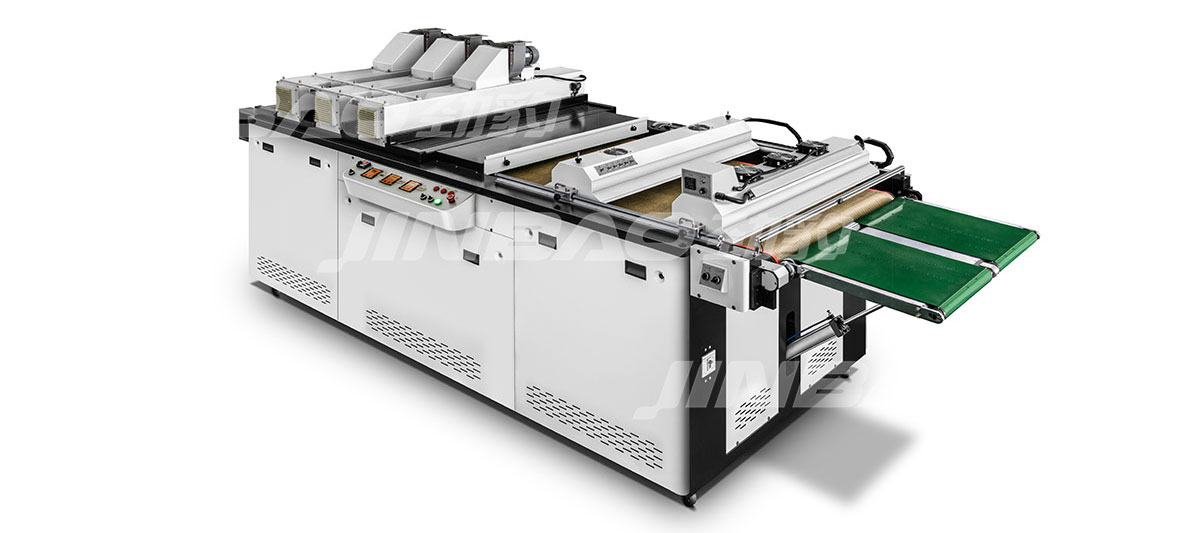
The company’s manufacturing facility occupies 24,000 square meters and has imported CNC machining equipment since 2005, with key components sourced from German, French, Japanese, and Taiwanese suppliers. Its product range encompasses automatic cylinder screen presses, semi-automatic screen printers, and related auxiliary equipment, including UV dryers and coating machines. For those evaluating long-term equipment partners, discovering how JINBAO builds durable screen printing systems provides additional context on build quality and engineering philosophy.
Making an Informed Decision
Selecting the right equipment requires balancing multiple factors: the precision your products demand, the range of materials you process, the level of automation that suits your workforce, and the reliability of the supplier behind the machine. No single specification captures all these dimensions.
Before committing, prepare samples of your most demanding print jobs and run them on the equipment under consideration. Measure registration accuracy, inspect print quality across the full sheet, and observe changeover procedures firsthand. The data gathered from your actual materials and artwork will provide insight that no catalogue can replicate.
Disclaimer: The performance specifications mentioned in this article are drawn from publicly available product documentation and industry case studies. Actual results depend on specific machine configuration, material characteristics, operator skill, and production environment. Readers should verify all claims directly with equipment suppliers and conduct their own due diligence before making purchasing decisions.