English
 中文
中文 Pусский
 Español
 عربي
عربي
Why Cold Foil UV Technology is the Future of Spot UV and Holographic Finishing
Walk down any premium retail aisle and you will see packaging that shimmers, shifts, and catches the light in ways that four-colour print alone cannot achieve. Brand owners in cosmetics, spirits, and confectionery are asking for holographic logos, micro‑textured high‑gloss panels, and foil accents that change colour with viewing angle. In response, many packaging converters are layering traditional spot UV coating with off‑line hot foil stamping – a workflow that adds up passes, energy costs, and a larger carbon footprint. The real question moving forward is not whether these effects will be demanded, but which technology can deliver them in line, at speed, without forcing printers to choose between brilliance and efficiency.
That technology is increasingly turning out to be a UV‑cured, ambient‑temperature foil process that fuses spot coating and metallic transfer into one sequence. Below, we examine the forces pushing it toward mainstream adoption, how it stacks up against the old way of doing things, and what the shift means for packaging businesses.
The Hidden Costs of the Traditional Spot‑UV‑plus‑Foil Workflow
To understand why change is coming, it helps to first look at what the industry currently tolerates. A typical job requiring a high‑gloss logo and metallic accents might travel from the offset press to an offline spot UV coater, then to a separate hot foil stamping machine. Each step consumes energy, floor space, and labour. Hot stamping relies on heated brass or magnesium dies that can take 20–30 minutes to reach working temperature; meanwhile, the press is idle. The costs alone can run into thousands of dollars for a single design, making short runs economically painful.
Registration between the spot UV varnish and the foil stamp is another persistent challenge. Paper substrates expand and contract with moisture and heat, so even a slight drift between passes can leave a halo of misalignment that cheapens the entire box. Moreover, the polyester carrier used in hot foil typically remains on the substrate after transfer, introducing a non‑recyclable component that complicates compliance with single‑material packaging targets.
These pain points are not new, but the available solutions have broadened dramatically in the last few years.
How Cold Foil UV Unites Two Finishing Steps
The alternative process reverses the thermal equation. A UV‑curable adhesive is printed exactly where metallic or holographic decoration is wanted – using standard offset plates, flexo plates, or even digital inkjet heads. A roll of foil, carrying a micro‑thin metalised layer, is pressed against the wet adhesive. As the sheet passes under intense UV light, the adhesive cures instantly and locks the foil in place. The polyester carrier is stripped and rewound, leaving a perfectly registered metallic finish. Immediately after, a second UV coating station can apply a clear structure varnish for spot gloss or a tactile cast‑and‑cure effect – all in one continuous pass.
This integration collapses two offline processes into a single inline sequence. For the converter, that means slashed turnaround times, lower work‑in‑progress inventory, and the ability to accept rush orders that would have been impossible with conventional multi‑pass workflows. Because the adhesive is image‑controlled, variable data such as unique QR codes or serialised holograms can sit right next to static brand elements without changing tooling.
A Quick Comparison
The table below offers a general directional comparison based on commonly observed production parameters. Actual performance varies by equipment model, substrate, and job configuration; it is intended as a starting point for evaluation, not a substitute for testing with your specific materials.
| Aspect | Traditional Spot UV + Hot Foil | Inline Cold Foil UV |
|---|---|---|
| Process steps | 2–3 separate offline passes | Single inline pass on press |
| Die/mould requirement | Expensive brass or magnesium dies | No dies; adhesive applied via plate or digital head |
| Changeover time | Typically 20–45 minutes for die heating | Minutes (plate or artwork change) |
| Short‑run viability | Poor – the cost of dying dominates | Excellent – no die cost |
| Holographic capability | Requires pre‑embossed foil, fixed pattern | Same foil, but can combine with variable data |
| Recyclability | Polyester carrier residue can hinder repulping | Micro‑thin metal layer bonded into coating; recyclable‑compatible |
| Registration accuracy | Subject to press‑to‑press drift | In‑line, single‑pass registration |
| Energy consumption | Higher (heated dies, multiple passes) | Lower (UV curing only, no thermal dies) |
For any specific print operation, the exact figures will vary. The directional advantage, however, is consistently reported by converters who have made the switch.
The Sustainability Case That Appeals to Brands
Packaging sustainability commitments are moving from marketing slides to procurement checklists. The UK Plastic Packaging Tax and the EU’s Packaging and Packaging Waste Regulation are pushing brand owners to eliminate unnecessary plastic components. Hot foil stamping, which often leaves a polyester layer bonded to the paperboard, is under increasing scrutiny because that composite can be difficult to recycle in standard paper mills.
With cold foil UV technology, the metalised layer is typically well under 0.02 microns thick and becomes embedded in a cured acrylic or UV coating matrix. Paper mills in Europe have demonstrated that paperboard decorated in this way can be repulped without significant fibre loss or contamination, provided the coating formulation is compatible. This means a mono‑material luxury gift box – all paper, no plastic film – can carry brilliant foil decoration and still enter the standard recycling stream. For converters serving multinational brands, this is a powerful differentiator.
Digital Meets Metallic: The Next Frontier
One of the most exciting developments is the marriage of cold foil UV with digital printing. A high‑resolution inkjet primer station can lay down adhesive only in areas that require foil, and because there is no physical die, every sheet can carry a different foil pattern. This opens the door to personalised packaging at near‑offset speeds. Early adopters in the photo gift and craft beverage markets are using this combination to produce short‑run boxes with individual names or regional motifs in brilliant gold or holographic foil.
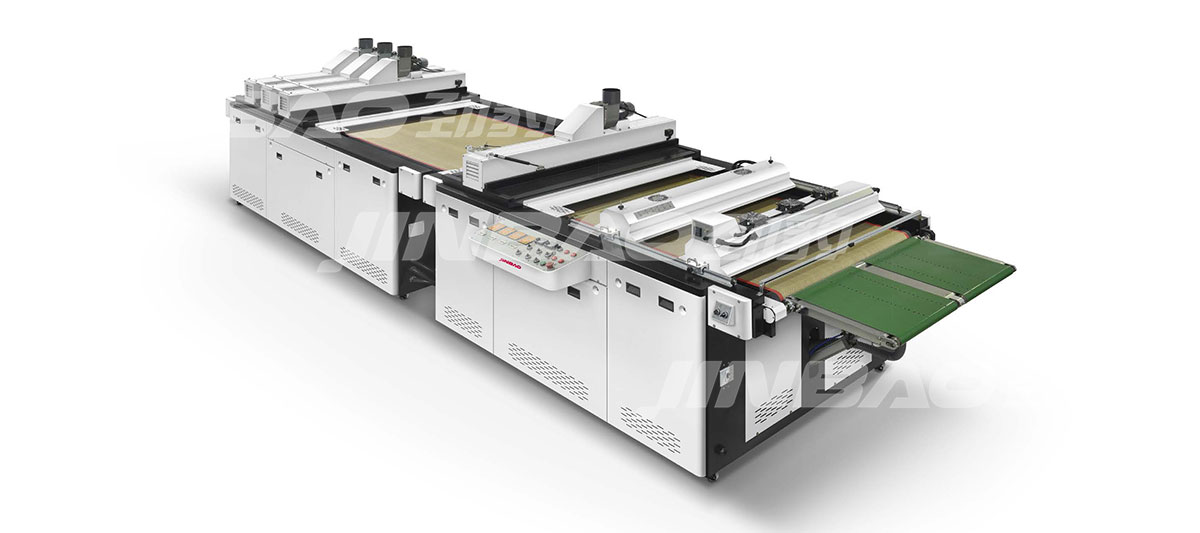
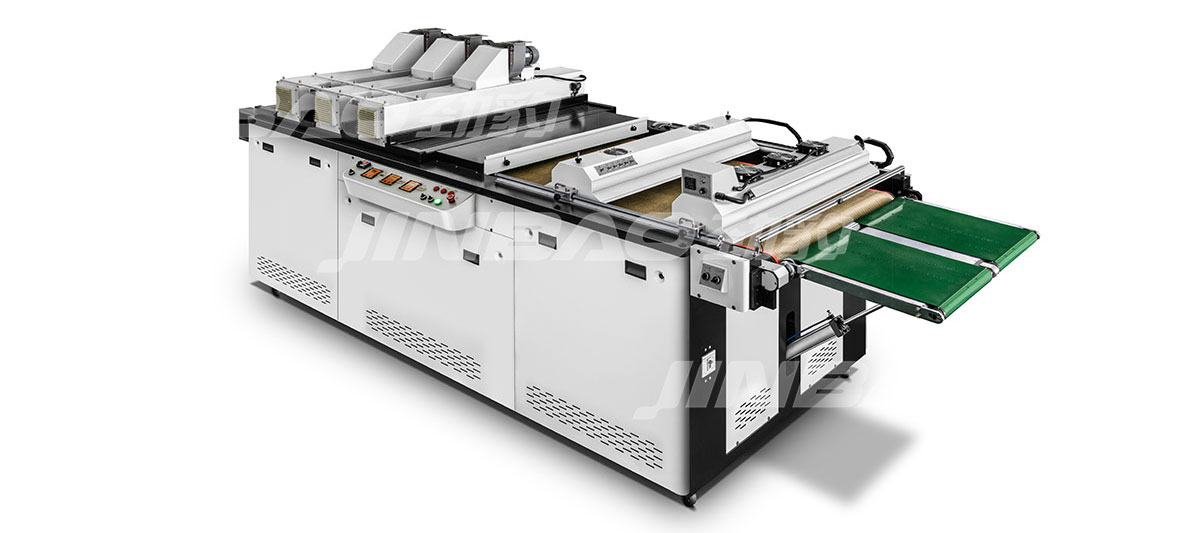
The transition does not require replacing an entire press. Modular units designed to retrofit onto existing sheetfed offset or flexo lines are making this technology accessible to mid‑size converters. For those curious about how such a system would fit into their current setup, looking into a modular inline cold foil and UV casting station can be a practical first step.
What the Shift Means for Your Business
The movement toward integrated finishing is not about chasing novelty – it is about economics and agility. Converters who unify spot UV and foil transfer can quote shorter lead times, accept variable‑data jobs that competitors cannot touch, and deliver foil‑decorated packaging that brand owners can confidently claim as recyclable. These three capabilities align directly with where the premium packaging market is heading.
If you’re mapping out a technology upgrade, reviewing real‑world inline foil integration examples can ground your evaluation. Before jumping in, it makes sense to benchmark your current mix. How many jobs per month require both spot UV and metallic foil? What percentage is short‑run? Are any of your top clients asking for holographic effects or recyclability data? Answering these questions will clarify the return on investment.
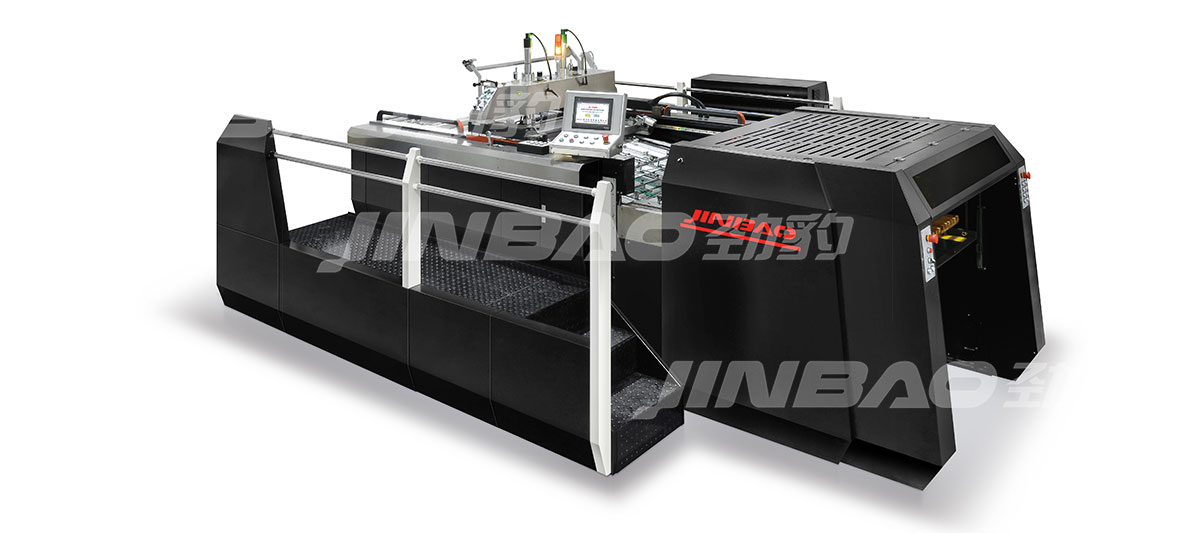
For operations that see a clear pattern of overlapping spot‑UV and foil demand, a purpose‑built Cold Foil Machine can deliver the registration precision and curing control that generic retrofits sometimes lack. Even if you are not ready to invest, familiarising yourself with the capabilities of such platforms helps you write smarter RFQs and avoid being sold a solution that does not match your real throughput needs.
For those who want to explore specific configurations, JINBAO’s production‑grade cold foil finishing technology documentation offers concrete examples of sheet formats, maximum mechanical speeds, and integration options. Browsing the technical datasheets is often the quickest way to determine whether an inline foil unit can physically fit between your existing printing towers and delivery.
The Road Ahead
No single finishing technology stays dominant forever. Just as UV coating gradually replaced solvent‑based varnishes for high‑gloss work, the combination of cold foil and UV curing is now doing the same for metallic and holographic decoration. It removes heat, dies, and extra passes from the equation, while adding the digital flexibility and environmental compatibility that modern supply chains demand.
For packaging converters, the question is no longer whether this approach works – the samples on shelf prove that it does – but whether their own pressroom is ready to deliver what the next generation of brand briefs will ask for. Those who start evaluating inline foil UV now are positioning themselves not just as suppliers, but as finishing partners capable of bringing a brand’s most ambitious visual ideas to life.