English
 中文
中文 Pусский
 Español
 Français
 عربي
عربي
5 Advantages of Using a Full Automatic Screen Printing Machine in Electronics
Every electronics manufacturer knows the moment: a batch of membrane switches comes off the line, and under the test probe, five out of a hundred fail continuity. The conductive traces are misaligned by less than half a millimetre—barely visible to the naked eye, but enough to scrap the entire run. In electronics, where tolerances are unforgiving and rework is rarely an option, printing accuracy is not a luxury; it is the baseline.
This article examines five persistent challenges electronics manufacturers face in the printing stage—and how the right equipment choices address them at the engineering level. The focus is on verifiable capabilities rather than marketing claims.
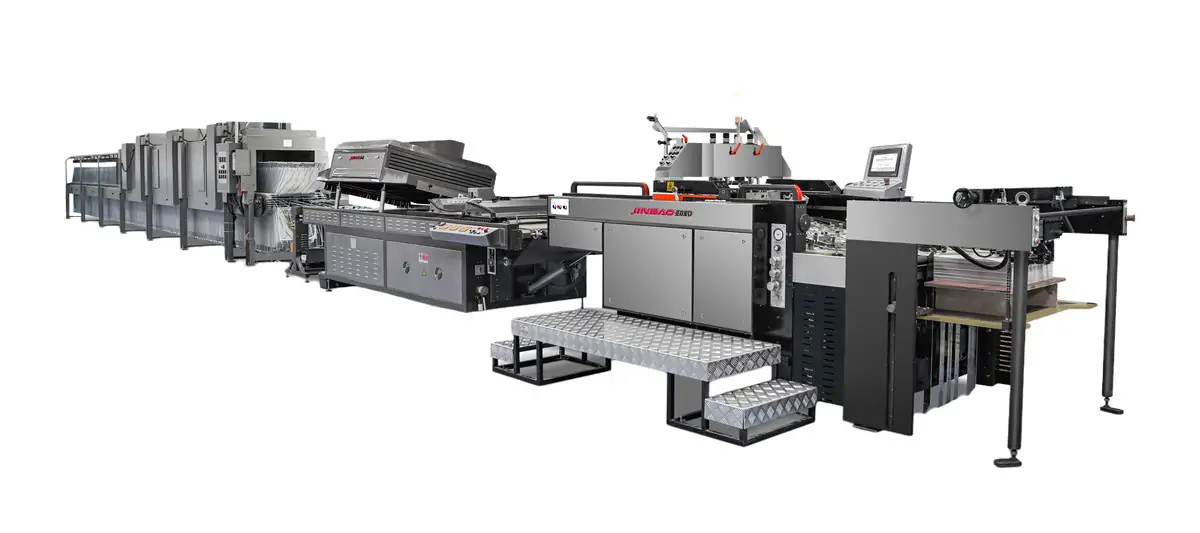
Challenge 1: Registration Accuracy That Survives a Full Production Run
Multi-layer printing is standard in electronics. Membrane switches require spacer layers precisely aligned with conductive pads. Flexible printed circuits stack silver, carbon, and dielectric layers, each demanding tight overlay registration. A specification of ±0.02 mm quoted in a catalogue means nothing if the machine cannot hold it after eight hours of continuous cycling.
Achieving high-precision overlay printing registration accuracy remains a critical challenge in printed electronics, particularly as substrate deformation during processing can introduce deviations at every layer interface. Research by VTT Technical Research Centre of Finland, published in Flexible and Printed Electronics (2025), demonstrated that even on thermally pre-treated PET substrates, registration accuracy settled at approximately ±60 µm in the machine direction and ±100 µm in the cross-machine direction on roll-to-roll systems. Flatbed systems equipped with CCD camera-based automatic registration to printed image targets can push this considerably further—some configurations achieve ±10 to 15 µm alignment precision on multi-layer sensor circuits.
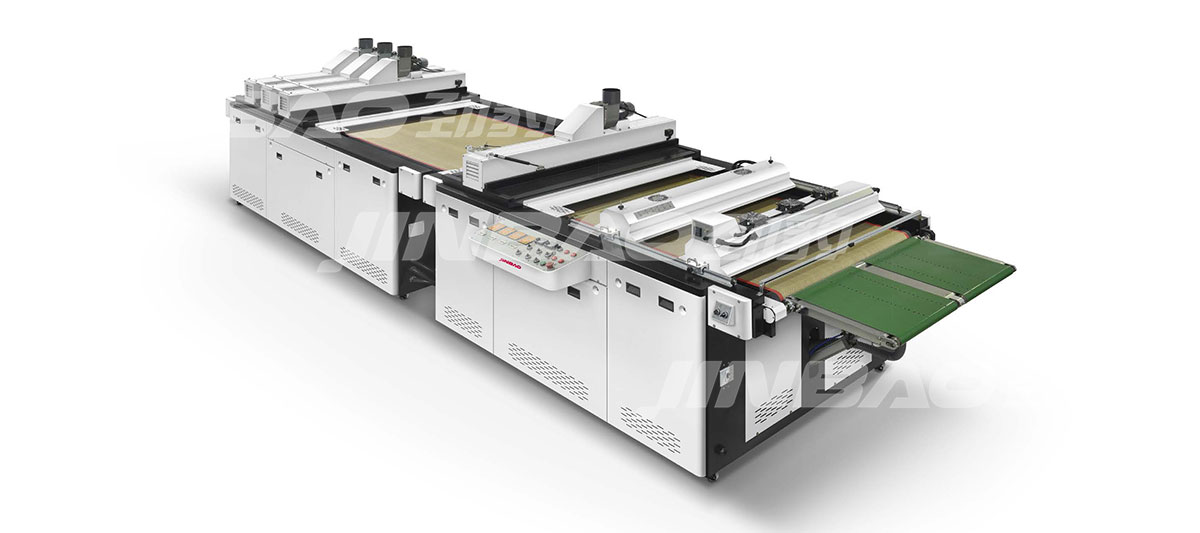
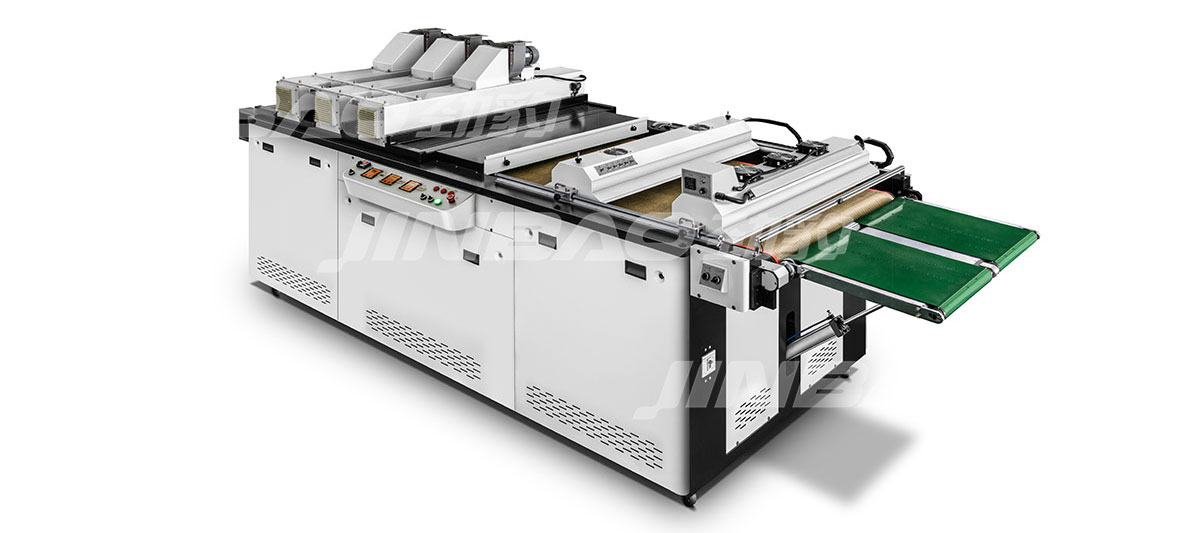
When evaluating equipment for electronics, the question to ask suppliers is not “what accuracy can your machine achieve in a demo,” but “what accuracy can you guarantee at cycle 5,000, and can you show me the measurement data?” Systems built around servo-driven positioning with linear guide rails and integrated vision correction offer a fundamentally different level of repeatability compared to pneumatic or cam-driven alternatives. Examining precision-driven screen printing platforms for multi-layer electronics can clarify which drive architectures actually deliver across a shift, not just in a specification sheet.
Challenge 2: Handling Delicate and Dimensionally Unstable Substrates
Electronics substrates are unforgiving. Polyester films as thin as 0.1 mm stretch under tension. Polyimide sheets warp with heat. ITO-coated glass demands scratch-free handling. Ceramic substrates require flatness control that tolerates zero flex. Each material introduces its own failure mode.
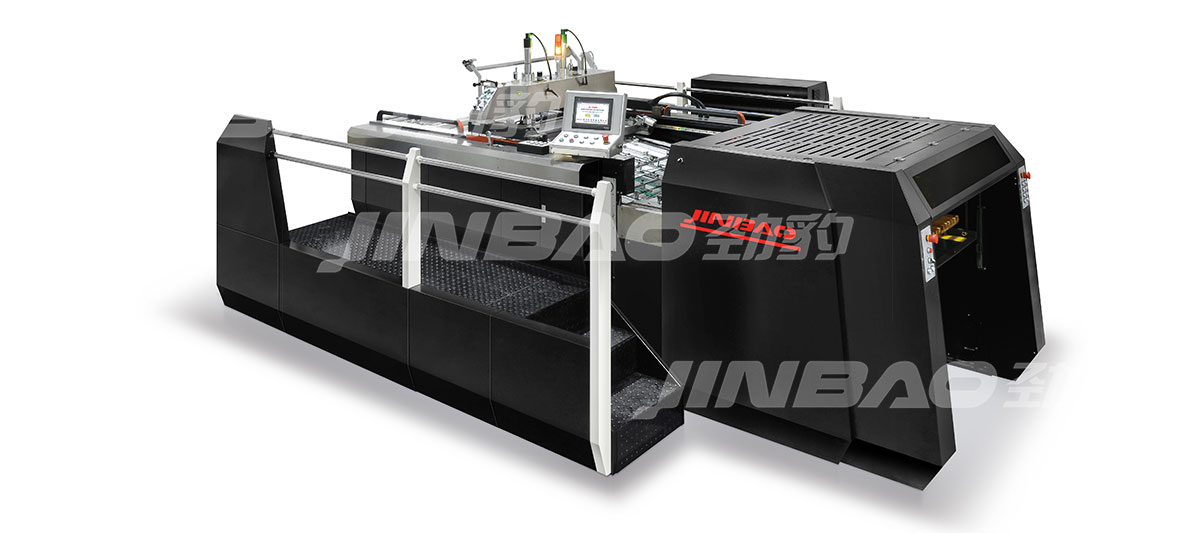
The difference between a machine that “handles” a material and one truly designed for electronics often lies in the substrate transport system. Vacuum hold tables with segmented zones maintain flatness during printing and prevent warpage during peel-off. Anti-scratch sheet manipulation mechanisms protect transparent and sensitive films. Automatic off-contact height adjustment based on stored material recipes removes operator guesswork when switching from thin films to rigid boards. Double-sheet detection prevents the costly damage that occurs when two substrates enter the print zone simultaneously.
For manufacturers juggling multiple substrate types on a single line, equipment that enables quick, recipe-driven changeover without mechanical reconfiguration is essential. Modular architectures that separate the printing unit from application-specific feeding and handling modules allow the same core system to serve diverse product lines. Exploring modular printing station designs for mixed-substrate electronics production can illustrate how this approach reduces changeover times and broadens the range of materials a single investment can handle.
Challenge 3: Conductive Ink Deposition Control
Inks in electronics do more than carry colour—they conduct current, insulate circuits, and resist soldering temperatures. Silver conductive ink for membrane switch production requires a cured film thickness of approximately 0.2 to 0.4 mil, achieved through careful mesh selection and emulsion thickness control. Variations in the wet film deposit translate directly to variations in electrical resistance.
Three mechanical factors determine ink deposit consistency: squeegee pressure profile, blade angle stability, and flood coater synchronisation. When any of these drift during a run—due to thermal expansion in mechanical linkages, for instance—the printed trace thickness changes. For solder mask applications on PCBs, the thickness must meet the minimum coating requirements of 300 to 400 µm for tenting plated-through holes, achieved by maintaining squeegee pressure as low as possible. This seems counterintuitive until one understands the fluid dynamics involved: excessive pressure forces ink through the mesh too aggressively, creating thinner deposits rather than thicker ones.
Equipment that digitises these parameters—storing pressure, speed, angle, and stroke endpoints in recipe files—eliminates the largest source of deposit variation: manual setup adjustment. Some advanced systems also integrate inline resistance measurement to verify trace conductivity before the substrate leaves the printing station. For operations where electrical performance specifications are tight, reviewing automated ink deposition control systems for electronics printing can help identify the level of process control your application requires.
Challenge 4: Integration with Smart Factory Infrastructure
Electronics manufacturing operates on razor-thin margins where unplanned downtime erodes profitability rapidly. Standalone printing machines that cannot communicate with upstream curing ovens, downstream inspection stations, or plant-wide manufacturing execution systems create information blind spots. When a skipped sheet or a registration drift goes undetected, it becomes a missed shipment.
PLC-based centralised control with HMI touchscreen interfaces has become standard. The more significant capability is IIoT connectivity: OPC UA protocol support, recipe management with audit trails, and remote diagnostic access. IoT solutions for screen printing equipment now enable remote monitoring, control, maintenance, and data analysis by integrating industrial smart gateways with machine PLCs—transmitting parameters including temperature, pressure, speed, and operational status to cloud platforms for real-time oversight.
Yamaha‘s 1 STOP SMART SOLUTION for electronics assembly, showcased at electronica 2024, demonstrates the industry direction: screen printing, placement, and inspection integrated through scalable software that connects the complete SMT line to enterprise systems. The payoff is not just data collection, but actionable intelligence—automatic alerts before a skipped sheet becomes a quality escape, and production protocols that ensure every job runs with identical parameters. For manufacturers building or upgrading smart factory capabilities, exploring IIoT-ready automated printing solutions for electronics production lines can offer insight into current connectivity standards.
Challenge 5: Long-Term Reliability and Total Cost of Ownership
Electronics manufacturers plan capital equipment investments over decade-long horizons. A machine that prints well for two years but requires escalating maintenance afterwards destroys the return-on-investment case. Suppliers who make repair parts available for only seven years after a model year ends leave buyers with stranded assets.
Structural integrity is the foundation of longevity. Machines built with heavy-gauge steel frames, stress-relieved welded joints, and imported linear guides from established manufacturers (THK, for example) maintain geometric alignment over years of continuous cycling. Centralised lubrication systems reduce maintenance labour while preventing the contamination risks that manual grease-point servicing introduces in cleanroom environments.
Supplier qualifications provide an objective baseline for evaluation. Zhejiang Jinbao Machinery Co., Ltd., founded in 1997, has passed ISO9001:2008 quality management system certification, and its major products have obtained CE certification. The company has participated in formulating national and industrial standards for fully automatic flat screen printing machines and serves as a deputy director unit of the China Screen Printing Industry Association. With products distributed across more than 100 countries and a 35,000-square-meter manufacturing facility, the company’s scale and certifications provide verifiable indicators of reliability. For those evaluating equipment partners over a long investment horizon, discovering how JINBAO engineers durable screen printing systems offers additional context on build quality.
What to Take Away
The global printed electronics market is projected to grow from USD 19.46 billion in 2025 to USD 39.85 billion by 2030, at a CAGR of 15.4%, driven by demand for flexible and lightweight electronic components. Screen printing technology is expected to account for the largest share of this market due to its versatility, scalability, and cost-effectiveness. For electronics manufacturers, this growth creates both opportunity and pressure: the right equipment decisions today determine whether you capture that growth or watch it go to competitors.
The five challenges discussed above—registration stability, substrate handling, ink deposition control, smart factory integration, and long-term reliability—form a practical evaluation framework. Before committing to any equipment purchase, prepare samples of your most demanding jobs, run them on the target machine under production-representative conditions, and measure the results against your quality thresholds. The data you gather will tell you what matters.
Disclaimer: The performance specifications cited in this article are drawn from publicly available product documentation and peer-reviewed research. Actual results depend on specific machine configuration, material characteristics, operator skill, and production environment. Readers should verify all claims directly with equipment suppliers and conduct their own due diligence.