English
 中文
中文 Pусский
 Español
 عربي
عربي
Automatic Screen Printing Machine Price: What Determines Cost?
The price of an automatic screen printing machine is not a single number—it is the sum of many design and configuration decisions. Two machines with similar maximum sheet sizes can differ significantly in cost depending on the printing mechanism, drive system, level of automation, and the auxiliary equipment included in the line. Understanding what drives cost helps buyers budget realistically and avoid either overspending on unnecessary features or underestimating the total investment required.
This guide explains the major factors that determine the price of an automatic screen printing machine. It does not quote specific prices—those depend on configuration, quantity, and commercial terms—but it provides the framework you need to evaluate quotations and compare offers on equal terms.
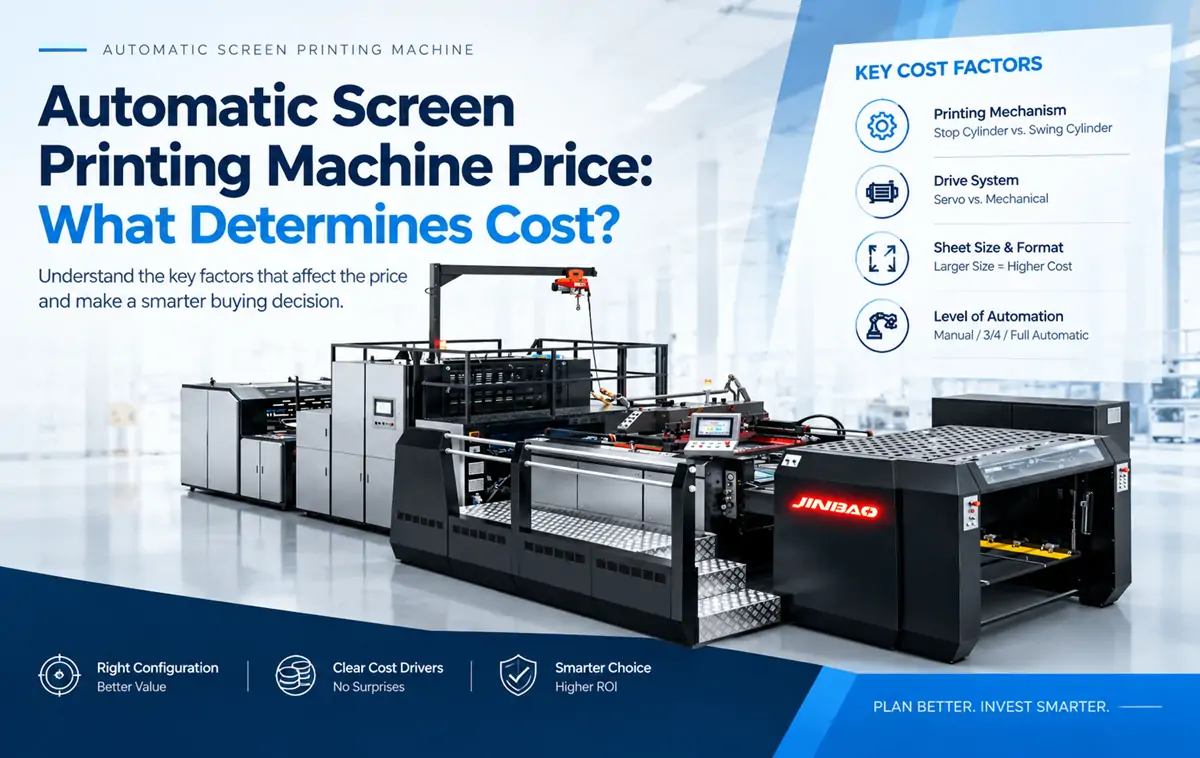
Factor 1: Printing Mechanism — Stop Cylinder vs Swing Cylinder
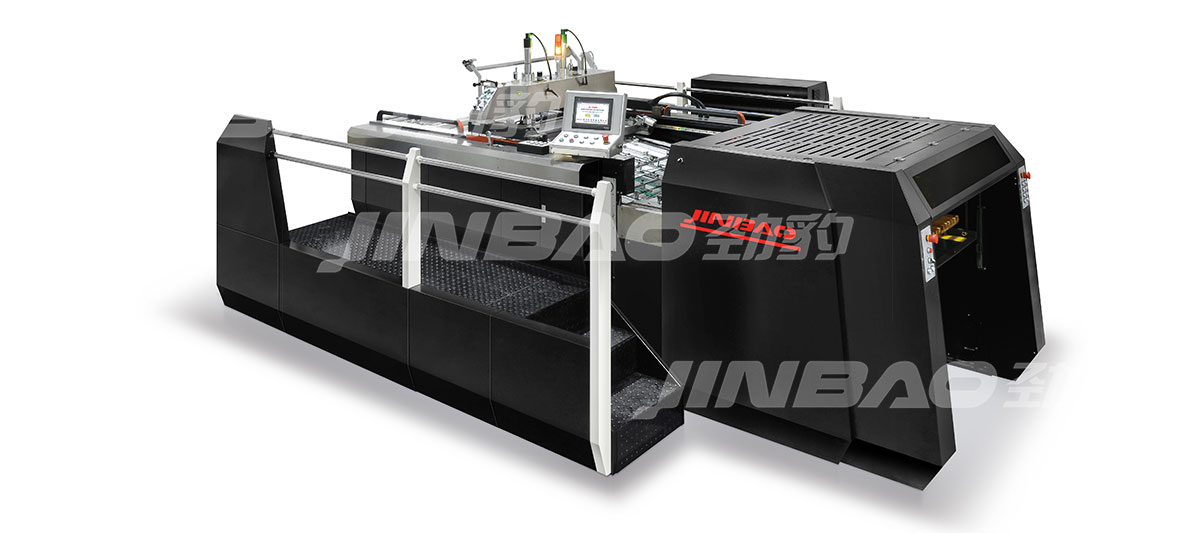
The printing mechanism is one of the largest cost drivers. Stop cylinder machines are mechanically more complex than swing cylinder machines because they require a precise dwell mechanism to pause the sheet during printing. This additional complexity translates into higher manufacturing cost.
- Stop cylinder machines – Higher cost due to the dwell mechanism, precision registration components, and the structural rigidity required to hold the sheet stationary during the squeegee pass. These machines are typically chosen for multi-color, high-registration applications.
- Swing cylinder machines – Lower cost due to simpler continuous-motion mechanics. Fewer moving parts and less complex synchronization reduce both manufacturing cost and maintenance requirements.
The price difference between the two types can be substantial—often 20–40% depending on size and configuration. For applications where registration tolerances are wide, the swing cylinder machine offers a lower entry point. For multi-color work requiring tight registration, the stop cylinder premium is usually justified.
Factor 2: Drive System — Servo vs Mechanical
The drive system affects both cost and long-term operating flexibility. Servo-driven machines use electronically controlled motors and programmable motion controllers; mechanical machines use cam-driven linkages.
- Servo-driven machines – Higher initial cost due to servo motors, drives, controllers, and the software development required to program motion profiles. However, servo systems offer faster changeovers, programmable settings, better registration at high speeds, and lower maintenance.
- Mechanical machines – Lower initial cost due to simpler components and proven cam-based design. However, they offer a fixed motion profile, cannot be optimized per job, and may require more frequent mechanical adjustment.
The cost difference between servo and mechanical drives varies by machine size and complexity. For shops running a wide variety of jobs, the servo premium is often recovered through reduced setup time and better print consistency. For shops running long runs of standard jobs, the mechanical version may offer adequate performance at a lower capital cost.
Factor 3: Maximum Sheet Size and Machine Format
Larger machines cost more. A machine with a maximum sheet size of 1,050 × 750 mm requires more steel, larger cylinders, longer frames, more powerful motors, and more robust transport systems than a machine with a 540 × 740 mm maximum sheet size.
The relationship between sheet size and cost is not linear. Doubling the sheet area may increase cost by 50–80%, not 100%, because some components (controls, electronics, safety systems) scale less directly with size. However, larger machines also require more floor space, larger feeders, larger stackers, and more powerful curing systems—all of which add to the total line cost.
Buyers should select the smallest machine format that comfortably accommodates their largest regular job. Buying a machine that is significantly oversized increases cost without improving productivity on typical work.
Factor 4: Level of Automation
The level of automation directly affects price. A 3/4 automatic press costs less than a full automatic machine because it lacks the automatic feeder, registration system, and stacker. A semi automatic machine costs less still because it lacks automatic take-off.
| Automation Level | Included Functions | Relative Cost |
|---|---|---|
| Semi automatic | Automatic printing stroke; manual feed, take-off, and stacking | Lowest |
| 3/4 automatic | Automatic printing and take-off; manual feed; optional stacking | Moderate |
| Full automatic | Automatic feed, registration, printing, take-off, and stacking | Highest |
The cost difference between automation levels reflects the additional components required: feeders, registration sensors, take-off grippers, stackers, and the control systems that synchronize them. For high-volume production, the labor savings of full automation typically justify the higher initial cost. For low-volume or highly variable production, a lower automation level may be more cost-effective.
Factor 5: Registration System
Registration accuracy requirements affect machine cost. A basic mechanical registration system using front lays and side guides costs less than a self-setting CNC sensor registration system. The sensor system adds cameras or optical sensors, servo-controlled adjustment mechanisms, and the software to process position data and make real-time corrections.
For single-color work or applications with wide registration tolerances, a basic registration system may be adequate. For multi-color work, electronic component printing, or any application requiring ±0.05mm accuracy, the CNC sensor system is essential—and its cost is reflected in the machine price.
Factor 6: Screen Frame Size and Handling
The maximum screen frame size the machine accepts affects cost in several ways. Larger frames require:
- More robust frame clamping mechanisms
- Larger squeegee and flood bar assemblies
- More powerful squeegee drive systems
- Larger screen storage and handling equipment
In addition, larger screen frames increase the cost of screen-making equipment, mesh, emulsion, and storage. Buyers should consider the total screen-making ecosystem cost when selecting machine size, not just the press price.
Factor 7: Auxiliary Equipment and Line Configuration
The printing machine is only one component of the production line. The total investment includes auxiliary equipment that must be matched to the press:
- Feeder – Automatic sheet feeding. Suction and friction feeders vary in cost based on capacity and substrate range.
- Take-off unit – Removes printed sheets without marking wet ink. Non-contact air flotation systems cost more than simple gripper systems.
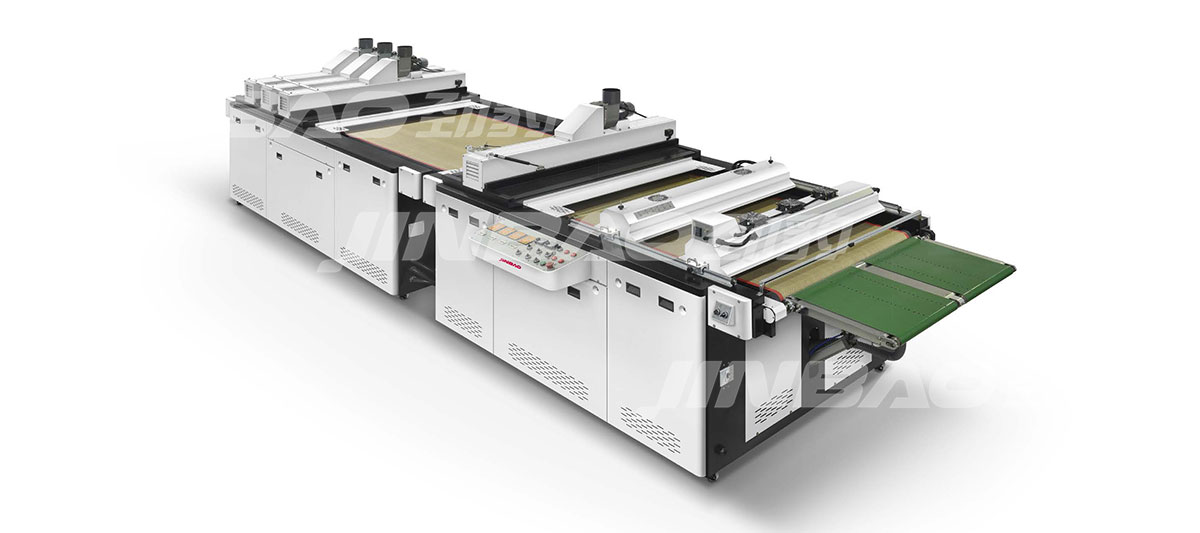
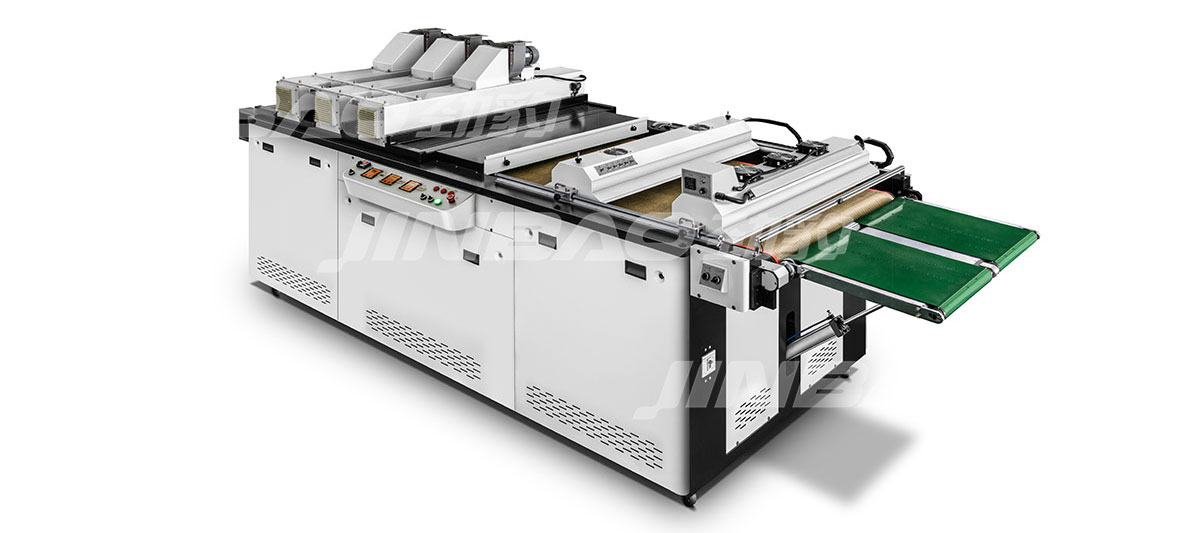
- UV curing unit – Cures UV inks. Cost depends on lamp type (mercury vs LED), lamp power, conveyor width, and cooling system.
- Hot-air dryer – Evaporates solvents from solvent-based inks. Cost depends on dryer length, temperature range, and airflow capacity.
- Stacker – Automatic stacking at the delivery end. Cost depends on sheet size range and pile height capacity.
- Plate-making equipment – Screen stretching machines, emulsion coaters, exposure units, and washing stations. These are often purchased separately but are essential for production.
A complete line can cost significantly more than the press alone—often 50–100% more depending on the level of automation and the curing method. Buyers should budget for the complete line, not just the printing machine. For an overview of how different components integrate, review the available solutions and system configurations.
Factor 8: Build Quality and Component Suppliers
Not all machines at the same specification level cost the same. Build quality—the grade of steel, the precision of machining, the brand of bearings and pneumatic components, the quality of electrical components—affects both initial cost and long-term reliability.
Machines built with premium components (well-known brands for bearings, servo motors, PLCs, and pneumatic valves) cost more upfront but typically deliver longer service life, fewer breakdowns, and lower maintenance costs. Machines built with lower-cost components may have a lower purchase price but higher total cost of ownership over 10 years.
Buyers should ask suppliers about the brands of key components: servo motors, drives, PLCs, pneumatic valves, bearings, and electrical components. A machine that uses recognized brands is generally a safer long-term investment than one that uses unbranded or low-cost alternatives.
Factor 9: Production Volume and Customization
Production volume affects price in two ways. First, higher-volume production requires more robust components—heavier-duty bearings, more powerful motors, better cooling—which increase cost. Second, if a machine must be customized for a specific application (special feeder, custom registration system, non-standard sheet size), engineering and manufacturing costs increase.
Standard models are generally less expensive than customized machines because the design and manufacturing processes are already established. Buyers with standard requirements benefit from this. Buyers with unusual substrates or production requirements should expect a higher price and longer lead time.
Factor 10: Commercial Terms and Support
The quoted price of a machine is not the only cost consideration. Commercial terms affect the total cost of ownership:
- Warranty coverage – A longer warranty period (e.g., 14 months instead of 12) adds value. Understand what is covered and what is excluded.
- Installation and training – Does the price include on-site installation and operator training? If not, these are additional costs.
- Spare parts pricing – Ask for a spare parts price list. High spare parts prices can significantly increase long-term operating costs.
- Technical support – Is remote support included? Is on-site support available? What is the response time?
- Shipping and import duties – For international purchases, shipping, insurance, and import duties add to the landed cost.
For details on warranty coverage, spare parts, and technical support, visit the service center.
How to Evaluate a Quotation
When comparing quotations from different suppliers, ensure you are comparing like with like. Use the following checklist:
- Does the quotation include the feeder, take-off unit, and stacker, or only the press?
- Is the UV curing or hot-air drying system included?
- What is the warranty period and what does it cover?
- Is installation and training included?
- What is the lead time for delivery?
- What is the spare parts pricing and availability?
- Are there any optional features that are essential for your application?
Frequently Asked Questions
What is the price range for an automatic screen printing machine?
Prices vary widely based on machine size, automation level, drive system, and configuration. As a general reference, entry-level semi automatic machines are the lowest cost, while fully automatic lines with servo drives, CNC registration, and matched curing systems represent the highest investment. The best approach is to define your requirements and request quotations from multiple suppliers for comparable configurations.
Why do two machines with the same sheet size cost different amounts?
Sheet size is only one specification. Machines with the same sheet size can differ in printing mechanism (stop vs swing cylinder), drive system (servo vs mechanical), registration system, build quality, and included auxiliary equipment. These differences affect both initial cost and long-term operating cost.
Is a more expensive machine always better?
No. A more expensive machine may have features or capabilities that you do not need. The best machine is the one that matches your production requirements at the lowest total cost of ownership—not the one with the highest price or the most features.
What is the total cost of ownership for an automatic screen printing machine?
Total cost of ownership includes the purchase price, installation, training, spare parts, maintenance, power consumption, compressed air consumption, and operator labor. For high-volume production, labor and maintenance costs often exceed the initial purchase price over the machine's service life.
How can I reduce the cost of an automatic screen printing machine?
Consider whether a 3/4 automatic or semi automatic machine meets your production requirements at a lower cost. Choose a machine format that matches your largest regular job without excessive margin. Select a mechanical drive system if your production is consistent and changeovers are infrequent. Purchase a standard model rather than a customized one if your requirements allow.
Next Steps
Understanding what determines the price of an automatic screen printing machine helps you budget accurately and evaluate quotations on equal terms. Start by defining your production requirements—substrate, sheet size, registration accuracy, and output volume. Then request quotations that clearly specify what is included and what is optional.
For a broader understanding of machine types and selection factors, review the automatic screen printing machine guide. If you have specific production requirements, discuss your material and production needs directly with the supplier to confirm the appropriate configuration and receive an accurate quotation.