English
 中文
中文 Pусский
 Español
 عربي
عربي
How to Choose an Automatic Screen Printing Machine: A Practical Buyer's Guide
Choosing an automatic screen printing machine is not simply a matter of comparing speed ratings or price tags. The machine that delivers the best return on investment is the one that matches your specific production mix—your substrates, sheet sizes, ink types, registration requirements, and available labor. A machine that is oversized for your typical job wastes capital and floor space; a machine that is undersized will bottleneck your production within a year.
This guide walks through the practical decision factors that matter when selecting an automatic screen printing machine, from defining your production requirements to asking the right questions before you sign a purchase order.
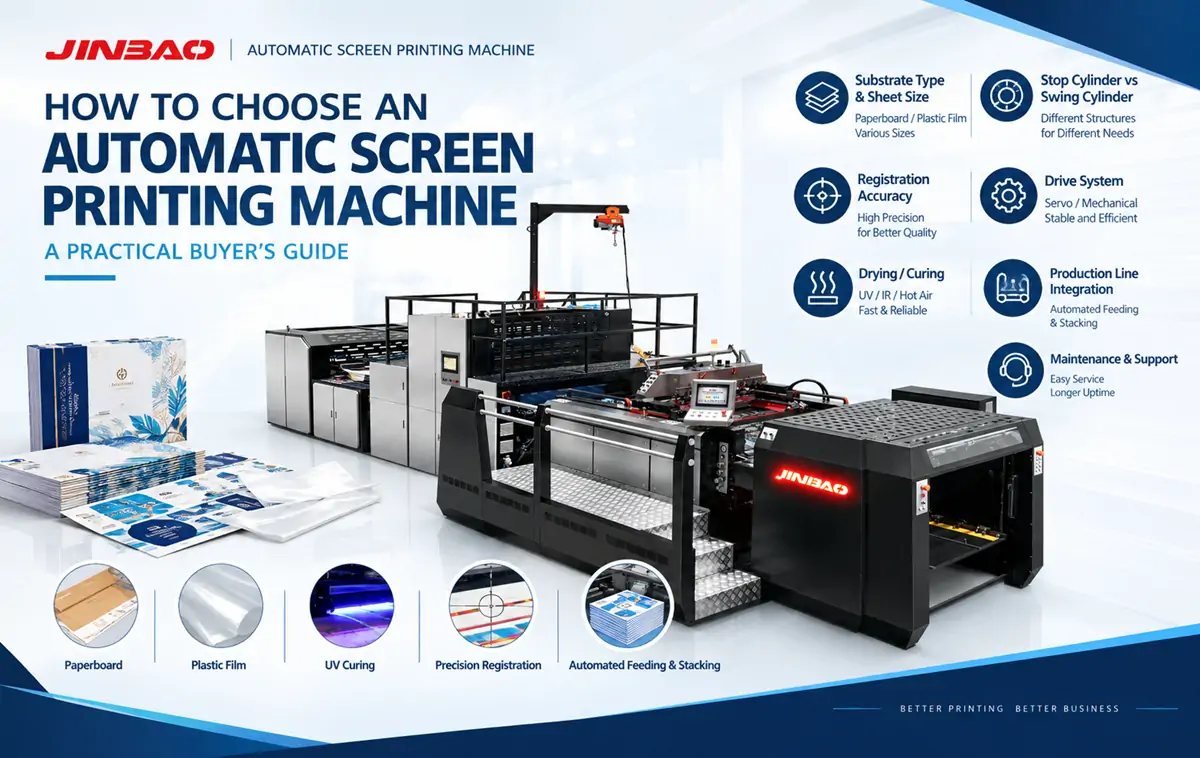
Step 1: Define Your Production Requirements Before Looking at Machines
The most common mistake buyers make is starting with machine specifications instead of their own production requirements. Before comparing models, answer these questions:
- What substrates will you print? Paper, paperboard, plastic, film, decal paper, labels, or electronic materials?
- What is your maximum sheet size? The largest job you regularly run determines the machine format you need.
- What is your minimum sheet size? Small-format jobs may not feed reliably on machines designed for large sheets.
- What is your typical substrate thickness? Thin paper and thick board require different feeder and transport settings.
- How many colors do you print? Single-color work has different registration requirements than four-color process or spot-color packaging.
- What ink system will you use? UV-curable, solvent-based, or water-based inks each require different drying or curing equipment.
- What is your target output per shift? This determines whether you need a stop cylinder or swing cylinder design.
- How many shifts will you run? Multiple shifts accelerate wear and require more robust components.
For a broader overview of how automatic screen printing machines work and the main types available, see the automatic screen printing machine guide.
Step 2: Match the Machine Format to Your Substrate
Substrate is the single most important factor in machine selection. The material you print on determines the feeder type, the transport mechanism, and the maximum speed the machine can sustain in real-world production.
Paper and paperboard: The most common substrates. Lighter stocks can be fed at high speeds. Heavier board requires slower feeding and gentler handling. A machine rated for 4,000 sheets per hour on paper may run at 2,000 sheets per hour on thick board.
Plastic sheets: PET, PVC, and polycarbonate require anti-static measures and careful handling to avoid scratching. The feeder and transport system must be configured for non-porous, static-prone materials.
Decal paper: Thin transfer paper requires gentle feeding and precise registration. The lightweight stock can be fed at high speeds, but the release layer is sensitive to humidity and handling.
Labels and stickers: The adhesive layer requires specialized feeder and transport systems to prevent sticking and delamination. Not all automatic machines are configured for label stock.
Electronic materials: Conductive inks and thick-film pastes demand the highest levels of registration accuracy and ink deposit consistency. The machine must be capable of maintaining ±0.05mm registration or better.
Step 3: Determine the Required Sheet Size Range
Sheet size determines the physical format of the machine. A machine with a larger maximum sheet size has a longer cylinder circumference and greater floor space requirements. It also typically has a lower maximum cycle speed because the sheet travels a greater distance per cycle.
Maximum sheet size: Select a machine whose maximum comfortably accommodates your largest regular job, with 10–15% margin for future needs. Buying a machine that is too large for your typical work increases cost and reduces efficiency on smaller jobs.
Minimum sheet size: Check that the machine can reliably feed and register your smallest jobs. Some machines cannot effectively handle sheets below a certain size due to feeder or registration limitations.
Printing area: The maximum printable area is typically slightly smaller than the maximum sheet size. Ensure that your largest image fits comfortably within the printable area.
Step 4: Choose Between Stop Cylinder and Swing Cylinder
The printing mechanism determines the fundamental trade-off between speed and registration accuracy. This is one of the most consequential decisions in machine selection.
| Factor | Stop Cylinder | Swing Cylinder |
|---|---|---|
| Sheet control during printing | Stationary—sheet pauses under the screen | Continuous—sheet moves through the printing station |
| Registration accuracy | Higher (typically ±0.05mm or better) | Moderate (typically ±0.15mm or wider) |
| Maximum speed | Moderate (2,500–3,500 sheets/hour) | Higher (4,000+ sheets/hour) |
| Multi-color suitability | Excellent | Limited |
| Substrate suitability | Heavy board, rigid substrates, fine detail | Thin paper, decals, less critical registration |
Choose a stop cylinder machine if your production requires tight multi-color registration, fine detail, or heavy substrates. Choose a swing cylinder machine if your priority is maximum throughput on single-color or less registration-critical work.
Step 5: Evaluate the Drive System
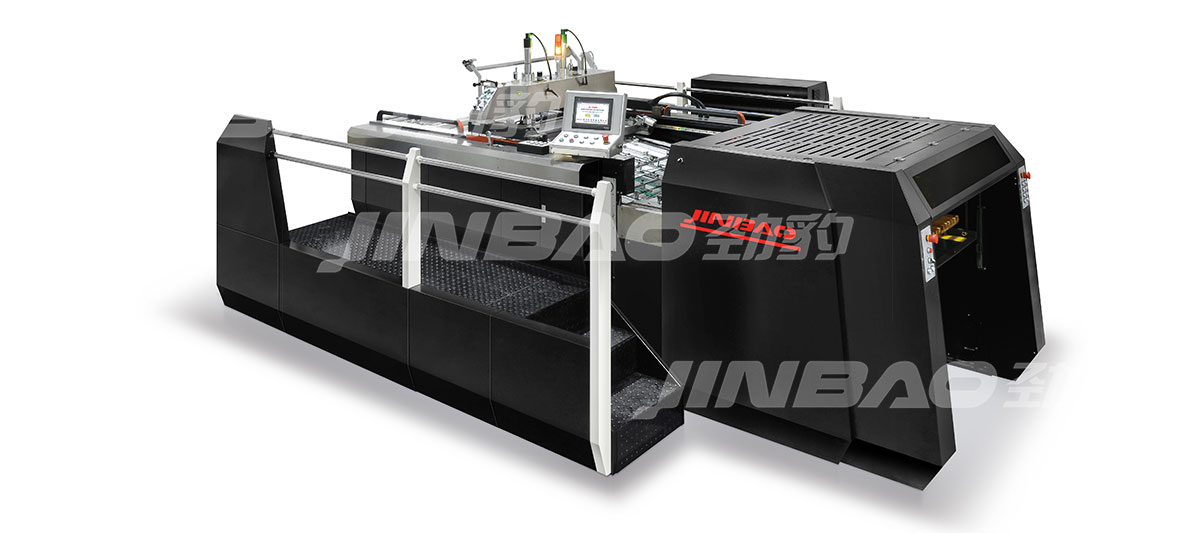
The drive system affects speed, flexibility, maintenance requirements, and energy consumption. Automatic screen printing machines are available with servo-driven or mechanical drive systems.
Servo-driven machines use electronically controlled motors that allow programmable motion profiles, faster acceleration, and precise speed control. Key advantages include faster job changeovers (settings can be stored and recalled), better registration accuracy at high speeds, and lower maintenance due to fewer mechanical wear parts.
Mechanical machines rely on cam-driven linkages with a fixed motion profile. They are robust and proven, with lower initial cost and simpler maintenance procedures. However, they cannot be optimized per job, and maximum speed is mechanically limited.
For shops running a wide variety of jobs with different substrates, servo-driven machines offer greater flexibility. For shops running long runs of standard jobs, mechanical versions provide a cost-effective alternative.
Step 6: Plan the Drying and Curing System
The printing machine is only one part of the production line. The drying or curing system must be matched to the press speed, ink type, and substrate.
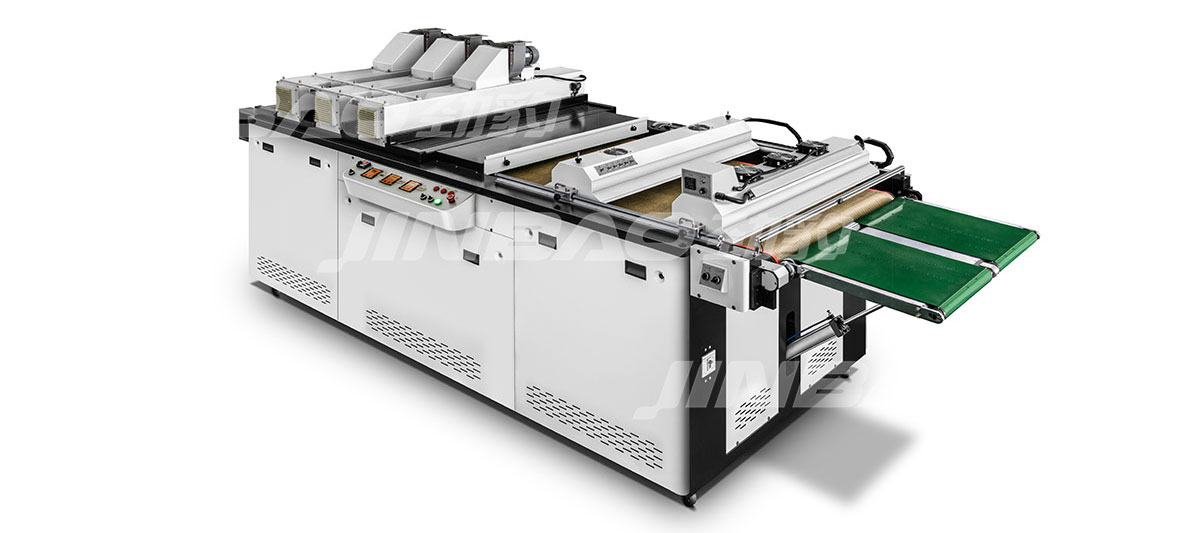
UV curing is required for UV-curable inks. It offers instant curing, minimal heat, and compatibility with heat-sensitive substrates. The UV unit must be matched to the press speed—if the press outruns the curing capacity, line speed is limited by the dryer.
Hot-air drying is used for solvent-based and water-based inks. It requires longer drying times and more floor space. The dryer length and temperature capability must be matched to the ink type and line speed.
For a deeper understanding of UV curing and hot-air drying options, see the UV curing and drying guide (coming soon).
Step 7: Consider the Full Production Line
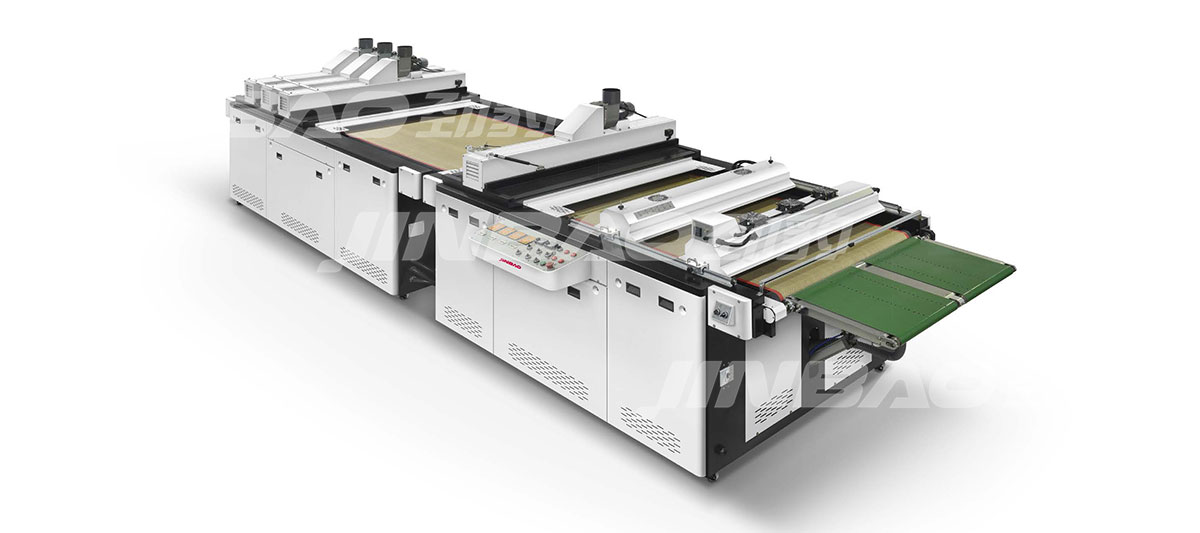
An automatic screen printing machine rarely operates in isolation. The complete line includes a feeder, take-off unit, curing system, and stacker. Each component must be matched to the others.
- Feeder – Automatic sheet feeding from a pile. Suction or friction feeders are available depending on substrate type.
- Take-off unit – Removes printed sheets without marking wet ink. Air flotation or non-contact transfer is preferred for heavy ink deposits.
- Curing system – UV or hot-air drying matched to the ink and substrate.
- Stacker – Automatic stacking for continuous production. The stacker must handle the full range of sheet sizes without marking printed surfaces.
If you are building a complete production line, review the available solutions and system configurations to understand how different components integrate.
Step 8: Verify Registration Accuracy Requirements
Registration accuracy is measured in millimeters and determines the machine's suitability for multi-color work. The required accuracy depends on your application:
- Single-color work: ±0.15mm or wider may be acceptable.
- Multi-color packaging: ±0.10mm or better is typically required.
- Fine detail and electronic printing: ±0.05mm or better is essential.
Registration accuracy is affected by the printing mechanism (stop cylinder vs swing cylinder), the drive system (servo vs mechanical), and the quality of the registration sensors. Always verify registration accuracy with test prints on your actual substrate before making a purchase decision.
Step 9: Plan for Maintenance and Support
Automatic screen printing machines require regular maintenance to maintain performance and maximize service life. Before purchasing, consider:
- Spare parts availability: Are high-wear parts stocked locally or shipped from overseas?
- Technical support: Does the supplier provide remote diagnostics, on-site service, or both?
- Training: Is operator training included? How long does it take?
- Warranty: What is covered and for how long? What is the process for warranty claims?
- Maintenance documentation: Does the machine come with a clear lubrication chart and maintenance schedule?
For details on warranty coverage, spare parts, and technical support, visit the service center.
Common Mistakes to Avoid When Buying an Automatic Screen Printing Machine
- Buying based on maximum speed alone: The rated sheets-per-hour figure is rarely achievable with your specific substrates and job requirements. Always ask for sustained production rates on your most common job type.
- Underestimating substrate variation: A machine that performs well on paper may struggle with board or film. Test your actual materials before purchasing.
- Ignoring auxiliary equipment compatibility: A high-performance press paired with an underspecified UV curing unit will produce rejects regardless of how fast the press runs.
- Overlooking floor space and utilities: A complete line occupies more space than the press alone. Verify that your facility can accommodate the full configuration, including power and compressed air requirements.
- Skipping the test print: Always request a sample test on your own materials before committing to a purchase. This is the most reliable way to confirm that the machine meets your requirements.
Frequently Asked Questions
What information should I prepare before contacting a supplier?
Prepare your substrate type, maximum and minimum sheet size, substrate thickness range, ink type, number of colors, target output per shift, and available floor space. This information allows the supplier to recommend the appropriate machine configuration.
How long does it take to set up an automatic screen printing machine for a new job?
Setup time varies by machine and job complexity, typically ranging from 30 minutes to over an hour. This includes adjusting the feeder, calibrating registration, positioning the take-off mechanism, and running test sheets to verify registration and ink deposit.
Can one machine handle both paper and paperboard?
Yes, most automatic screen printing machines can handle a range of substrate thicknesses within their specifications. However, switching between very thin paper and very thick board may require feeder and transport adjustments, and maximum speed will be limited by the heaviest substrate.
What is the most important factor in machine selection?
Substrate type and sheet size are the most important factors because they determine the machine format, feeder type, and maximum speed. Registration requirements and production volume are also critical, but they can often be addressed through machine configuration rather than fundamental format changes.
How do I verify that a machine can handle my specific substrate?
Most manufacturers offer sample testing services where you can provide your own materials for commissioning and proofing on the equipment. This is the most reliable way to confirm that the machine meets your printing requirements. Always request a test print on your actual substrate before purchasing.
Next Steps
Choosing the right automatic screen printing machine requires a systematic evaluation of your production requirements—substrate, sheet size, registration accuracy, output volume, and available labor. Start by defining your requirements clearly, then compare machine specifications against those requirements rather than against each other.
For a comprehensive overview of automatic screen printing technology, types, and applications, review the automatic screen printing machine guide. To explore specific machine configurations, visit the full automatic screen printing machine category page.
If you have specific production requirements, discuss your material and production needs directly with the supplier to confirm the appropriate configuration.