English
 中文
中文 Pусский
 Español
 عربي
عربي
How Screen Cold Foil Machine Technology Is Transforming Premium Packaging
Premium packaging has changed significantly over the past few years. Luxury visual effects are no longer limited to perfume boxes or high-end wine labels. Today, reflective metallic finishes appear across cosmetic packaging, electronic accessories, boutique food products, health supplements, and even short-run seasonal packaging. At the same time, production requirements are becoming more demanding.
Converters are expected to:
• shorten delivery cycles
• support more SKU variations
• reduce material waste
• maintain registration accuracy
• and keep decorative quality consistent across different substrates
Traditional hot stamping processes can still produce strong visual results, but many packaging factories are now looking for finishing methods that integrate more smoothly into modern inline production workflows.
Why Packaging Manufacturers Are Reducing Offline Finishing Steps
One common issue in premium packaging production is workflow complexity.
In traditional production environments, decorative finishing may require:
• separate stamping processes
• additional material handling
• multiple registration adjustments
• and longer production preparation times
For short-run packaging projects, these extra steps can reduce overall efficiency.
This becomes more noticeable when factories handle:
• frequent artwork revisions
• multiple packaging versions
• thinner film materials
• or fast-turnaround retail campaigns
Because of this, many converters are moving toward inline decorative processes that combine coating, UV curing, and metallic transfer within a more continuous production flow.
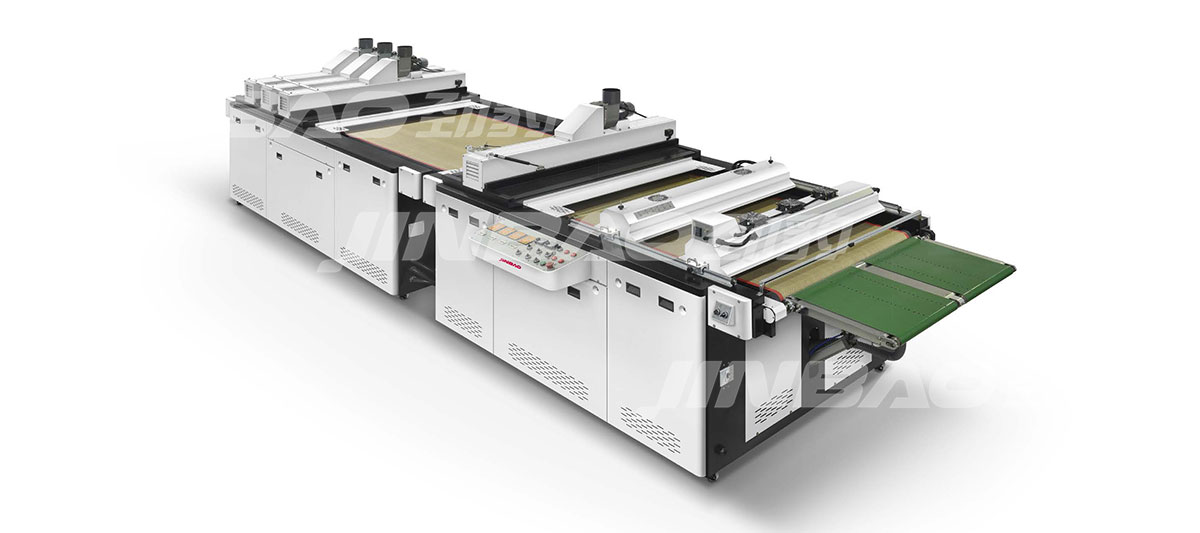
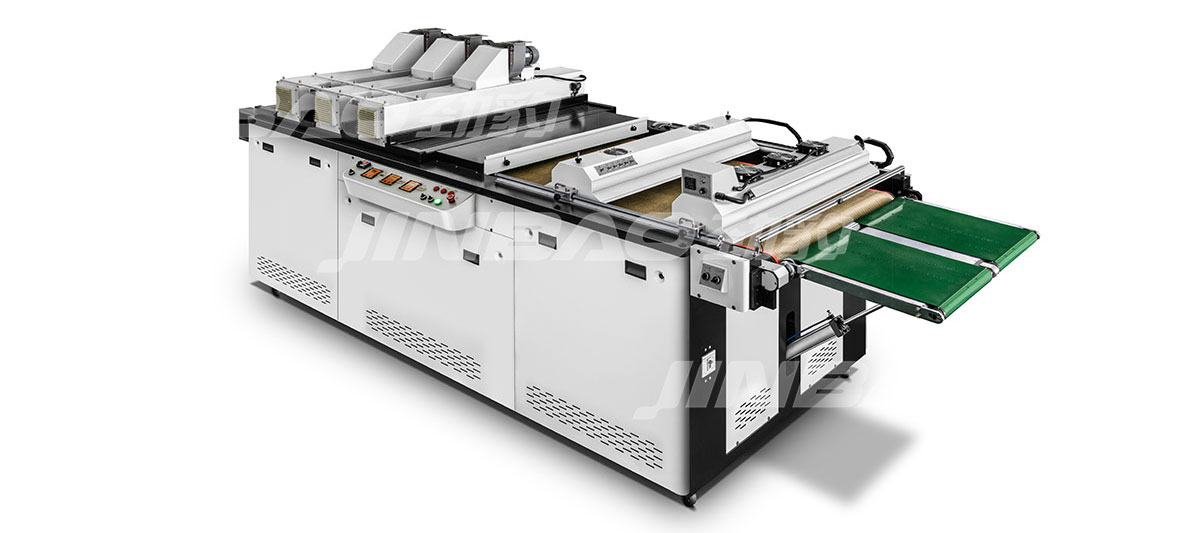
Many production teams now evaluate integrated foil transfer systems designed for decorative UV applications when trying to simplify multi-step finishing operations.
The Growing Demand for Fine Metallic Details
Packaging design trends are also changing.
Instead of large metallic blocks, many brands now prefer:
• thin reflective lines
• selective gloss contrast
• textured visual layers
• micro-pattern decoration
• and localised metallic highlights
These designs require more precise registration control during production.
Even small alignment deviations can become highly visible under retail lighting, especially on cosmetic cartons or luxury labels.
For this reason, production stability is becoming more important than maximum machine speed.
Factories increasingly focus on:
• tension consistency
• substrate stability
• UV curing synchronisation
• and repeatable transfer quality
This is particularly important when working with lightweight packaging materials that are more sensitive to stretching or registration fluctuation.
Flexible Packaging Materials Are Changing Equipment Requirements
Another major change in the industry is the growing use of thinner and lighter packaging materials.
Many brands are attempting to reduce packaging weight while still maintaining a premium appearance. However, lightweight substrates can create several production challenges:
• unstable tension
• material deformation
• inconsistent transfer results
• and curing variation
Older finishing setups may struggle with these conditions, especially during longer production runs.
Modern inline systems are increasingly designed to improve stability when handling:
• PET films
• flexible labels
• coated paperboard
• synthetic substrates
• and laminated packaging materials
Decorative finishing configurations suitable for thin-film packaging production are becoming increasingly important in modern packaging factories.
Why Automation Matters More Than Pure Speed
In industrial printing environments, stable output is usually more valuable than theoretical top speed.
A production line that frequently requires manual adjustment can create:
• inconsistent print quality
• higher material waste
• longer setup times
• and reduced production predictability
That is why automation functions are becoming increasingly important in decorative packaging production.
Common areas of focus include:
| Production Factor | Why It Matters |
|---|---|
| Servo tension control | Helps maintain substrate stability |
| Registration correction | Reduces alignment deviation |
| UV curing coordination | Improves transfer consistency |
| Automated pressure adjustment | Supports repeatable output |
| Modular configuration | Improves production flexibility |
In many factories, reducing operator intervention is now considered a key efficiency target, especially for long production runs involving multiple packaging versions.
Retail Lighting and E-Commerce Are Influencing Packaging Design
Packaging today is viewed in more environments than before.
Products are no longer seen only on physical retail shelves. They also appear in:
• online product listings
• social media marketing
• livestream promotions
• and high-resolution mobile photography
As a result, packaging designers increasingly request decorative effects that react strongly to lighting and camera exposure.
Reflective metallic surfaces are commonly used because they create stronger visual contrast under both retail and digital presentation conditions.
This has increased demand for:
• sharper decorative edges
• cleaner reflective transfer
• and more controlled gloss effects
Advanced inline metallic decoration solutions for premium packaging workflows are increasingly used to support these visual requirements.
Choosing the Right Decorative Production Setup
Not every packaging factory requires the same production configuration.
Before upgrading a finishing line, manufacturers usually evaluate:
• substrate compatibility
• registration stability
• curing consistency
• maintenance complexity
• and integration with existing printing equipment
In many cases, the most effective solution is not necessarily the fastest one. Stability, repeatability, and workflow compatibility often have a greater long-term impact on production efficiency.
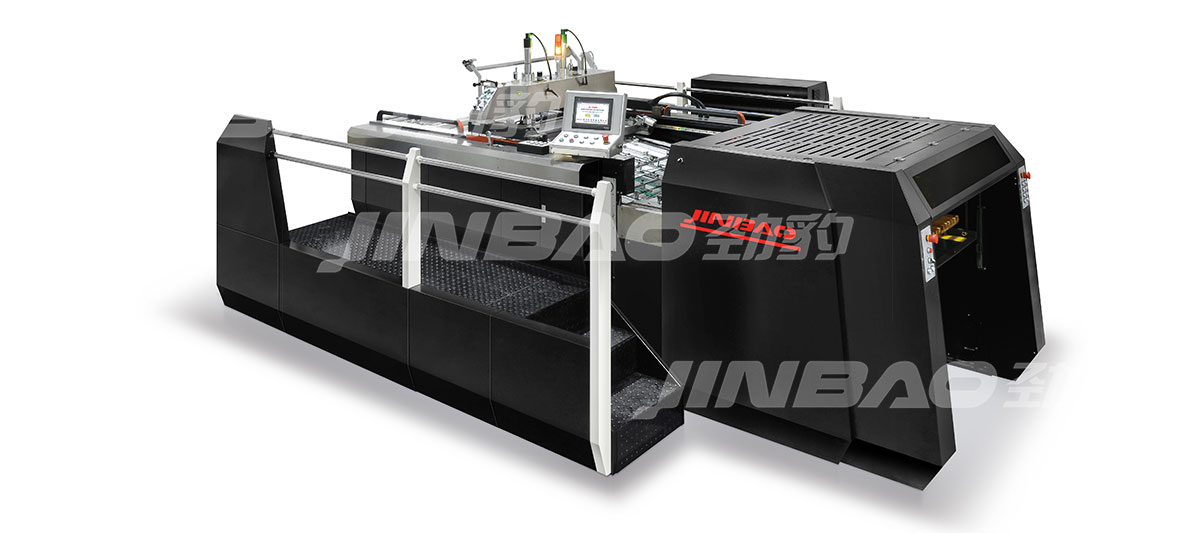
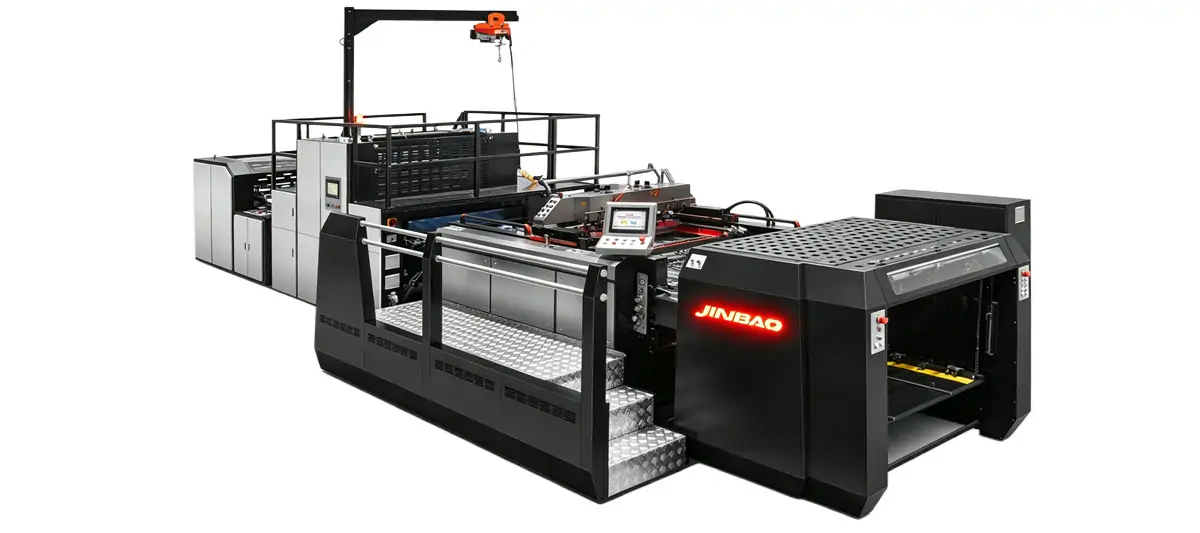
The Screen Cold Foil Machine process is increasingly used in packaging environments where converters need metallic visual effects without adding excessive offline processing stages.
Final Thoughts
Premium packaging production is becoming more flexible, more design-driven, and more efficiency-focused.
Converters are under pressure to produce stronger shelf impact while handling shorter runs, faster delivery schedules, and more demanding material conditions.
Because of this, integrated decorative printing technologies are playing a larger role in modern packaging workflows.
If manufacturers want to improve decorative precision, production stability, and compatibility with modern packaging materials, modular metallic enhancement systems for high-precision packaging applications are becoming an important direction for future production upgrades.