English
 中文
中文 Pусский
 Español
 Français
 عربي
عربي
Top 5 Applications of Cold Foil Printing Machines in Gift Box Manufacturing
Cold foil transfer technology has been commercially available since the late 1990s, originally developed to give offset printers a way to add metallic effects without the separate off‑line stamping step. The process applies a UV‑curable adhesive to the substrate via a standard printing plate, laminates a roll of metallised foil onto the wet adhesive, and then strips away the polyester carrier – leaving a thin metal layer only where the adhesive was printed. Today, equipment running at 7,000 sheets per hour for film transfer and around 3,000 sheets per hour for cold stamping is installed in packaging facilities worldwide, and the technology has found a particularly strong fit in gift box manufacturing.
The reason is straightforward: gift boxes – for cosmetics, spirits, confectionery, apparel, and luxury goods – compete entirely on shelf presence. The packaging must signal value instantly, yet the production run may be a few thousand units with tight margins. Hot foil stamping requires a custom heated die, a long setup, and often higher waste rates on lightweight boards. Cold foil transfer addresses these constraints by being fully in line with the printing process, requiring only a photopolymer plate, and achieving fine register with subsequent ink layers because the adhesive is applied from the same plate set.
Here are the five applications where cold foil transfer is currently adding the most value in gift box production.
1. Full‑Surface Holographic and Metallic Backgrounds
Rather than sourcing pre‑laminated foil board stock, converters are using cold foil units to create metallic or holographic backgrounds in line on standard paperboard. The adhesive is applied across the entire sheet, the foil is transferred, and then translucent process inks are overprinted to tint the metallic layer and produce colour shifts. This technique is common in spirits cartons, premium chocolate boxes, and limited‑edition beauty packaging. It eliminates the need to inventory multiple speciality board grades and allows last‑minute design changes because the metallic effect is created at the time of printing, not purchased as a raw material.
2. High‑Definition Spot Metallic Logos and Text
Gift boxes frequently feature the brand logo as the visual anchor. Cold foil transfer can reproduce fine serifs, thin lines, and intricate motifs with edge definition down to approximately 0.15 mm on well‑maintained machinery. Because the adhesive plate is the same photopolymer plate that prints the rest of the job, the foil aligns precisely with subsequent ink. This eliminates the thermal expansion variables associated with heated stamping dies, giving converters the consistency needed for long runs where every box must match. For a packaging buyer, this means the logo on box number 10,000 looks identical to the one on box number one.
3. Cast and Cure / Laser Imprint Effects
Cast and cure is a variant of cold foil technology where a structured film – carrying a holographic or micro‑etched pattern – is laminated onto the adhesive instead of a flat metallic foil. After UV curing, the film is stripped, leaving a textured, light‑refracting surface that can be overprinted with tinted varnishes or left clear. On gift boxes, this creates a 3D lenticular-like shimmer without the thickness or weight of a laminated film. It is used for high‑end cosmetics and electronics packaging where a tactile, premium feel is required, and the brand wants to differentiate against conventional flat metallic printing.
4. Spot UV Combined with Metallic Foil
A technique that has gained ground in the last few years combines cold foil with thick spot UV varnish applied on the same pass. A metallic foil area – for example, a silver background – is printed first, then a high‑build UV coating is applied over selected regions to create a glossy, raised, transparent dome. The contrast between the matte foil surface and the glossy, lens‑like spot UV gives a depth effect that is difficult to achieve by other means. This is widely adopted for premium wine labels, perfume cartons, and high‑end confectionery boxes where the designer wants a dual‑texture metallic finish without multiple off‑line processes.
5. Multi‑Colour Holographic Registration Effects
Designers are increasingly requesting that specific elements of an illustration – a flower petal, a brand emblem, a geometric pattern – carry a holographic effect while the surrounding area remains matte or conventionally printed. This requires registering the holographic foil to the printed image with high precision. Modern inline cold foil units achieve this by running the foil web in registration with the sheet, advancing it only when the adhesive image is present, and using the same registration system that controls the print. The effect, where only selected design elements catch light and shift colour, is a signature look in premium Asia‑Pacific beauty packaging and is spreading to European and North American spirit and chocolate brands.
The Equipment Consideration
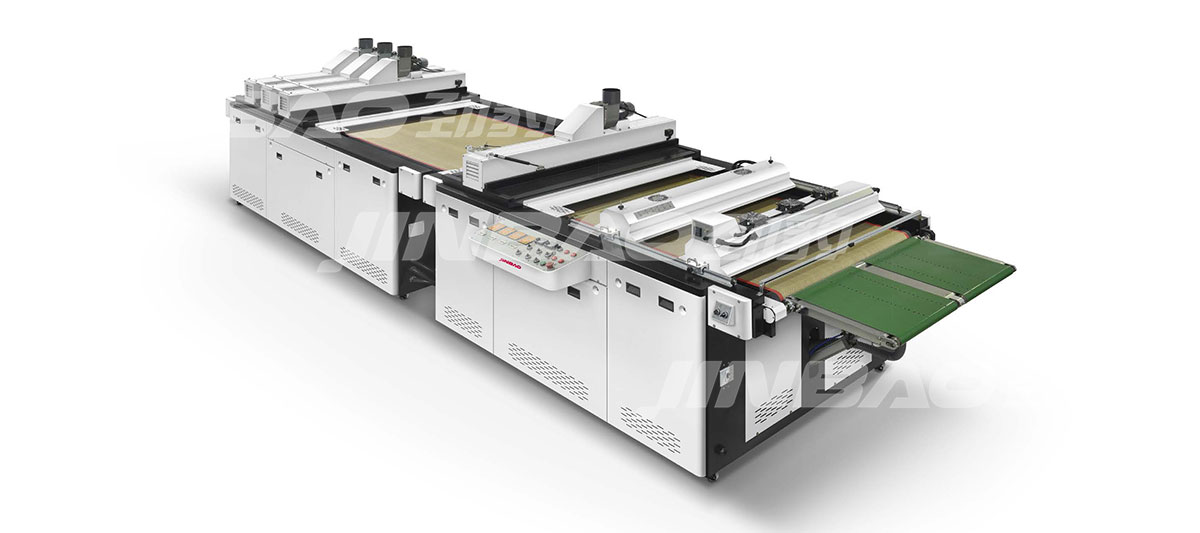
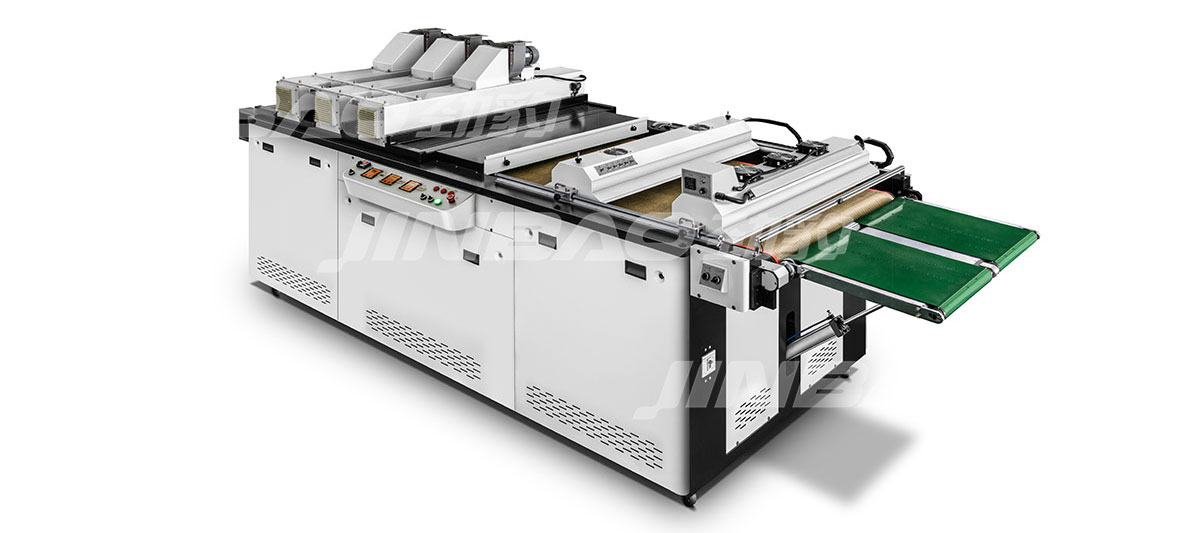
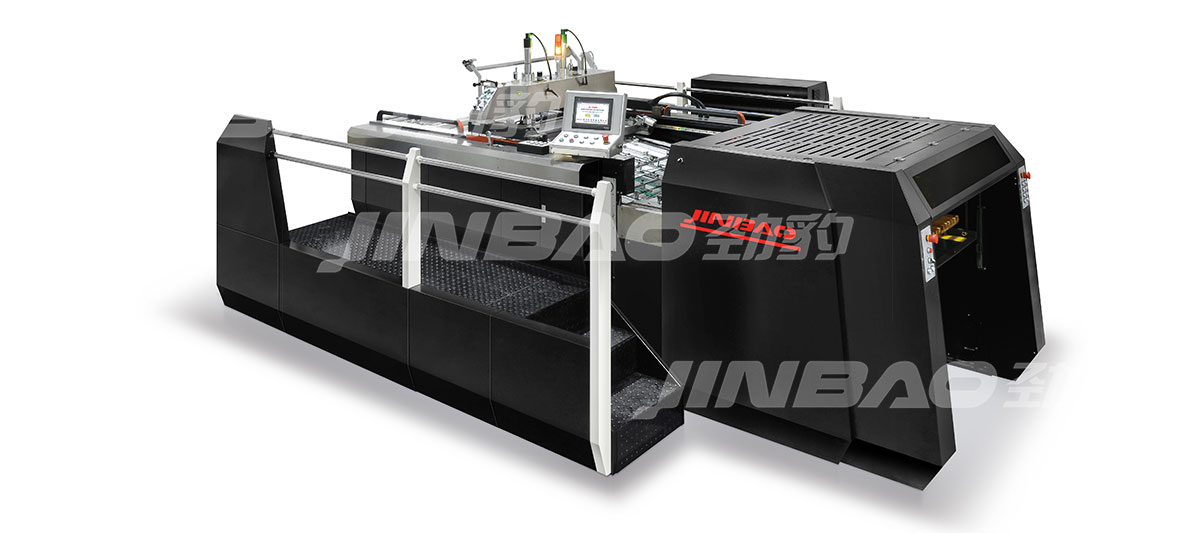
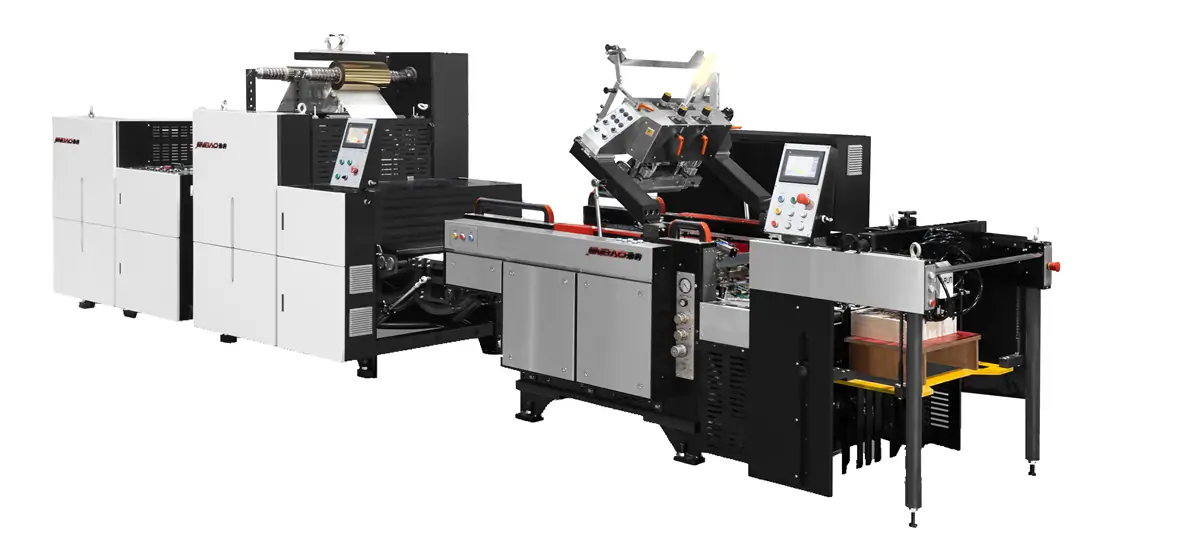
The common thread across all five applications is that they benefit from an inline process that avoids off‑line stamping. For packaging converters looking to add these capabilities, the core machine requirement is a press‑mounted cold foil unit that can handle both film transfer (high speed) and cold stamping (slower but capable of thicker foil and stronger effects). Production figures vary by job type: 7,000 sheets per hour for film transfer and 3,000 sheets per hour for cold stamping are typical for equipment designed specifically for the packaging sector. A 14‑month warranty is often provided by manufacturers who understand the production demands of converters.
When evaluating options, converters may find it useful to look at inline cold foil transfer units designed for packaging and gift box finishing. A unit that integrates with the existing press line and supports both film transfer and cold stamping modes provides the flexibility needed to cover all five applications discussed above.
Applications Beyond Simple Decoration
While gift boxes are the focus here, the same five techniques apply to folding cartons for pharmaceutical and personal care products, book covers, and promotional materials. The ability to combine metallic, holographic, and textured effects in a single inline pass is shifting designers’ expectations of what is achievable on a standard packaging print run. As paperboard grades improve and UV adhesive chemistry advances, the line between hot foil stamping quality and cold foil transfer quality continues to blur.
For converters already producing luxury gift boxes, the question is increasingly not whether to add cold foil capability, but which of these five applications will give their customers the differentiation they need. A careful look at JINBAO’s cold foil equipment range can help match specific application requirements with the right machine configuration.
In summary, cold foil transfer is no longer a niche alternative to hot stamping. It is a mainstream finishing technique that enables five distinct visual effects – full‑surface metallics, sharp spot logos, cast‑and‑cure textures, foil‑plus‑spot‑UV combinations, and selective holographic registration – all produced inline at production speeds. Gift box manufacturers who master these applications gain both a creative and a cost advantage in a market where packaging is the first tactile experience a customer has with a brand. a